
Water lines & quality
Low water pressure diagnosis
Call NowLow pressure at one fixture is usually a clogged aerator or cartridge. Low pressure everywhere points to a failed pressure-reducing valve, a partly closed main valve, a service line leak, or corroded galvanized pipe.
At a glance
Common sign
Weak shower or faucet flow
First step
Measure
The plumber measures static and flowing pressure at the hose bib and inside, which shows quickly whether the problem is the supply, the regulator or the house plumbing.
Low Water Pressure Diagnosis at a glance
- What it is
- Low pressure at one fixture is usually a clogged aerator or cartridge.
- Service category
- Water lines & quality
Signs you need low water pressure help
- Weak shower or faucet flow
- Pressure drops when another fixture runs
- Pressure dropped suddenly
- Banging pipes (pressure too high is also a problem)
The visit
What a low water pressure diagnosis visit involves
- 1
Measure
Pressure gauge readings at the main and fixtures.
- 2
Isolate
Check the main valve, pressure-reducing valve, service line and interior pipe.
- 3
Fix
Replace the regulator, clean fixtures, repair the leak or plan a repipe.
What affects the cost of low water pressure diagnosis
- Regulator replacement vs. pipe replacement
- Access to the main and PRV
Check low water pressure diagnosis coverage near you
Use your location or ZIP code to see whether low water pressure diagnosis is covered where you are, and the nearest service area.
Location is only used to find the service area nearest you. It stays on your device and isn't stored.
Water actively leaking, overflowing or backing up? That's a job for 24-hour emergency service, not a scheduled visit.
Low Water Pressure Diagnosis: common questions
What causes low water pressure?
The most common causes are clogged aerators or showerheads, a failing pressure-reducing valve, a partially closed shutoff, hidden leaks, and old galvanized pipe narrowed by rust.
What is normal water pressure for a house?
Most homes work well between about 40 and 60 psi. Pressure above 80 psi is generally too high and can stress fixtures, water heaters and supply lines; a pressure-reducing valve controls it.
Can water pressure be too high?
Yes. High pressure causes banging pipes, running toilets, dripping faucets and early failure of water heaters and appliance hoses. A gauge on an outdoor spigot tells you the static pressure.
Why is my water pressure low only on hot water?
Low pressure on hot water only points to the water heater or hot-water piping — commonly sediment in the tank, a partly closed heater valve, or a failing mixing valve.
What is the maximum water pressure allowed in a house?
North Carolina's plumbing code limits pressure in the house's distribution piping to 80 psi under no-flow conditions and calls for a pressure-reducing valve where supply pressure is higher.
Why did my pressure suddenly drop?
A utility issue or a failed pressure-reducing valve are the usual causes. Check with neighbors first, then have the PRV tested with a gauge.
Sources: NC Office of State Fire Marshal: 80 psi working pressure (604.8). Prices are national estimates, not quotes.
Service area
Low Water Pressure Diagnosis across the Charlotte metro
- Low Water Pressure Diagnosis in Charlotte
- Low Water Pressure Diagnosis in Matthews
- Low Water Pressure Diagnosis in Mint Hill
- Low Water Pressure Diagnosis in Huntersville
- Low Water Pressure Diagnosis in Concord
- Low Water Pressure Diagnosis in Gastonia
- Low Water Pressure Diagnosis in Cornelius
- Low Water Pressure Diagnosis in Davidson
- Low Water Pressure Diagnosis in Mooresville
- Low Water Pressure Diagnosis in Pineville
- Low Water Pressure Diagnosis in Indian Trail
- Low Water Pressure Diagnosis in Monroe
- Low Water Pressure Diagnosis in Waxhaw
- Low Water Pressure Diagnosis in Harrisburg
- Low Water Pressure Diagnosis in Kannapolis
- Low Water Pressure Diagnosis in Belmont
- Low Water Pressure Diagnosis in Fort Mill
- Low Water Pressure Diagnosis in Tega Cay
- Low Water Pressure Diagnosis in Rock Hill
- Low Water Pressure Diagnosis in Stallings
- Low Water Pressure Diagnosis in Mount Holly
- Low Water Pressure Diagnosis in Cramerton
- Low Water Pressure Diagnosis in Denver
- Low Water Pressure Diagnosis in Lake Wylie
- Low Water Pressure Diagnosis in Clover
- Low Water Pressure Diagnosis in Indian Land
Specific low water pressure diagnosis services
Related
Services often paired with low water pressure diagnosis
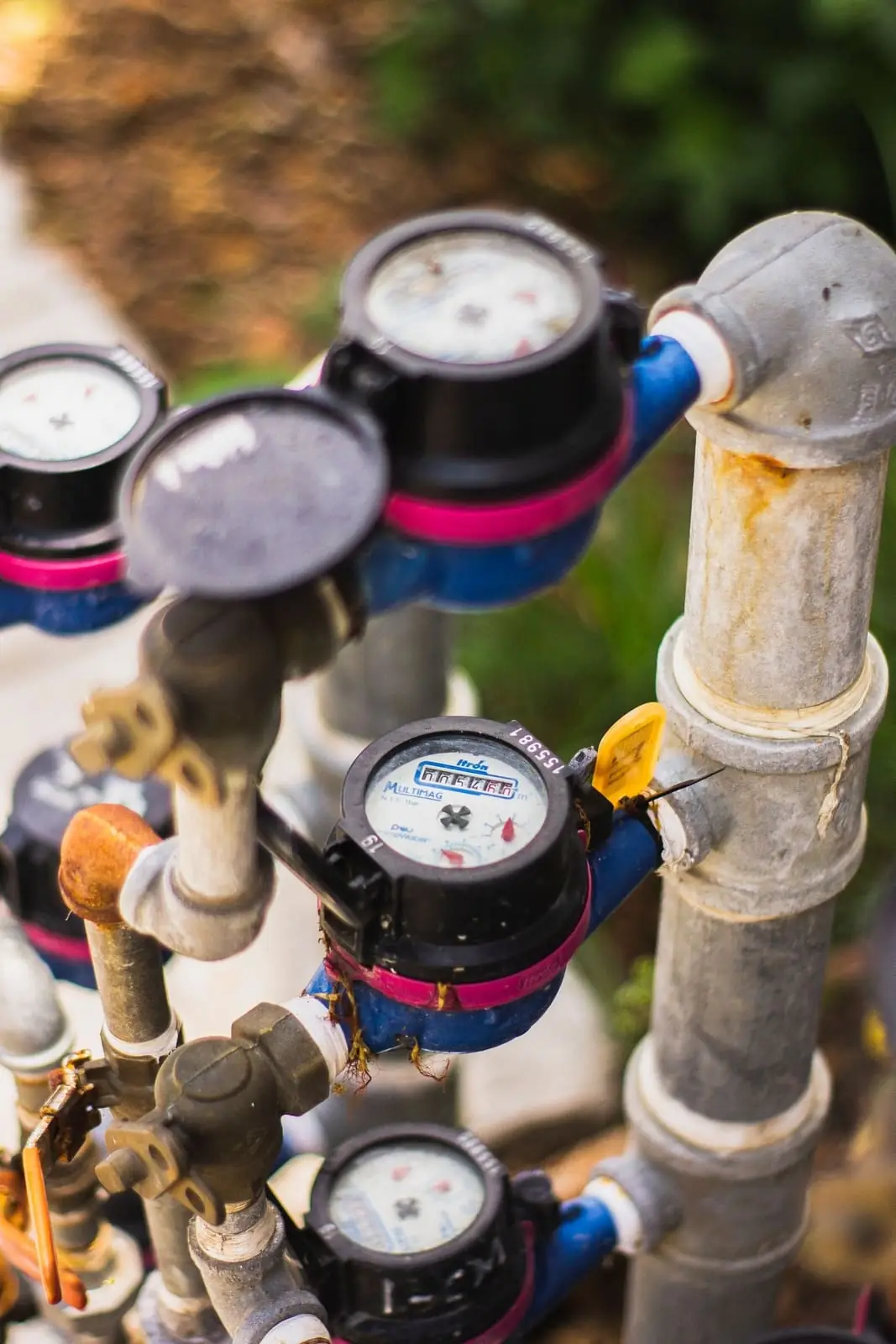
Main Water Line Repair
Yes, plumbers repair and replace the water service line between the meter and your house.
Learn more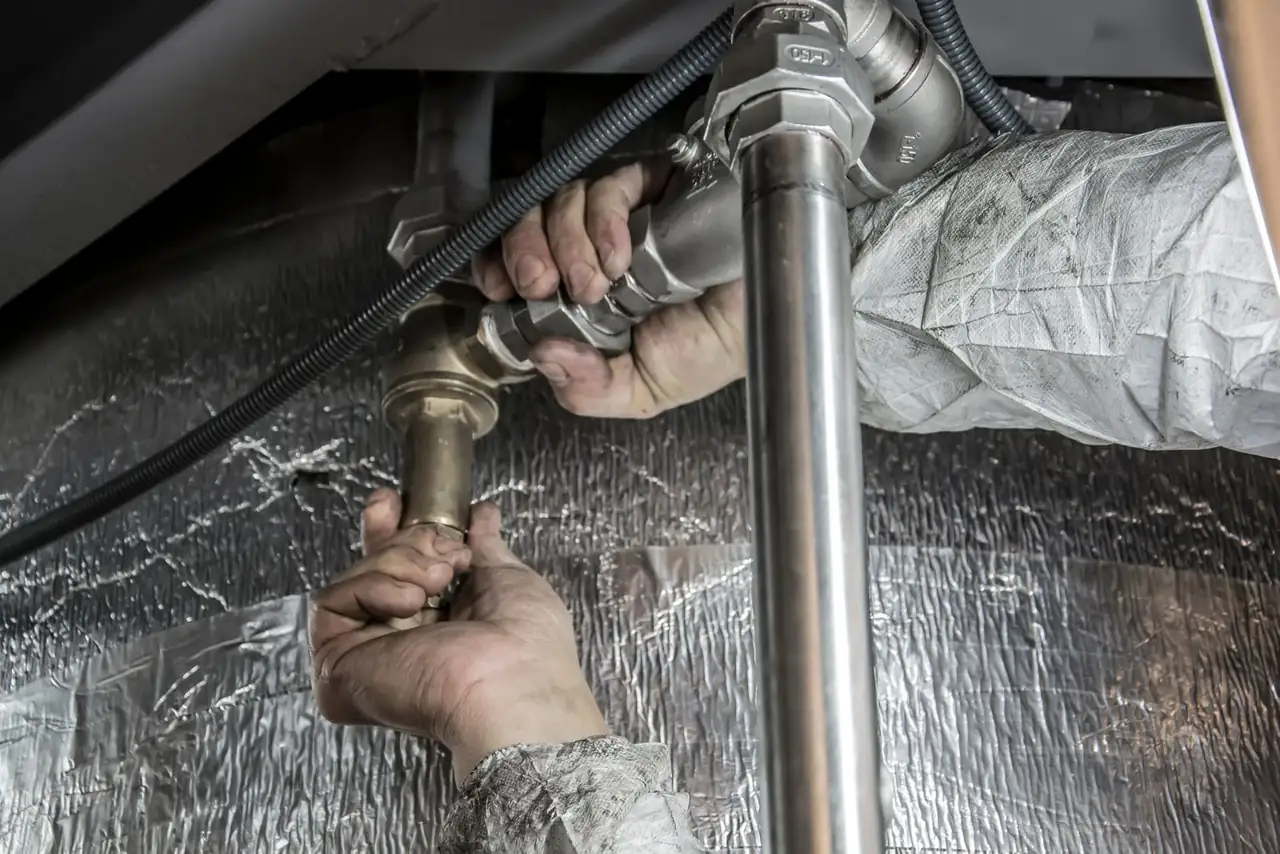
Pipe Repair & Repiping
A single leak in otherwise sound pipe gets a spot repair.
Learn more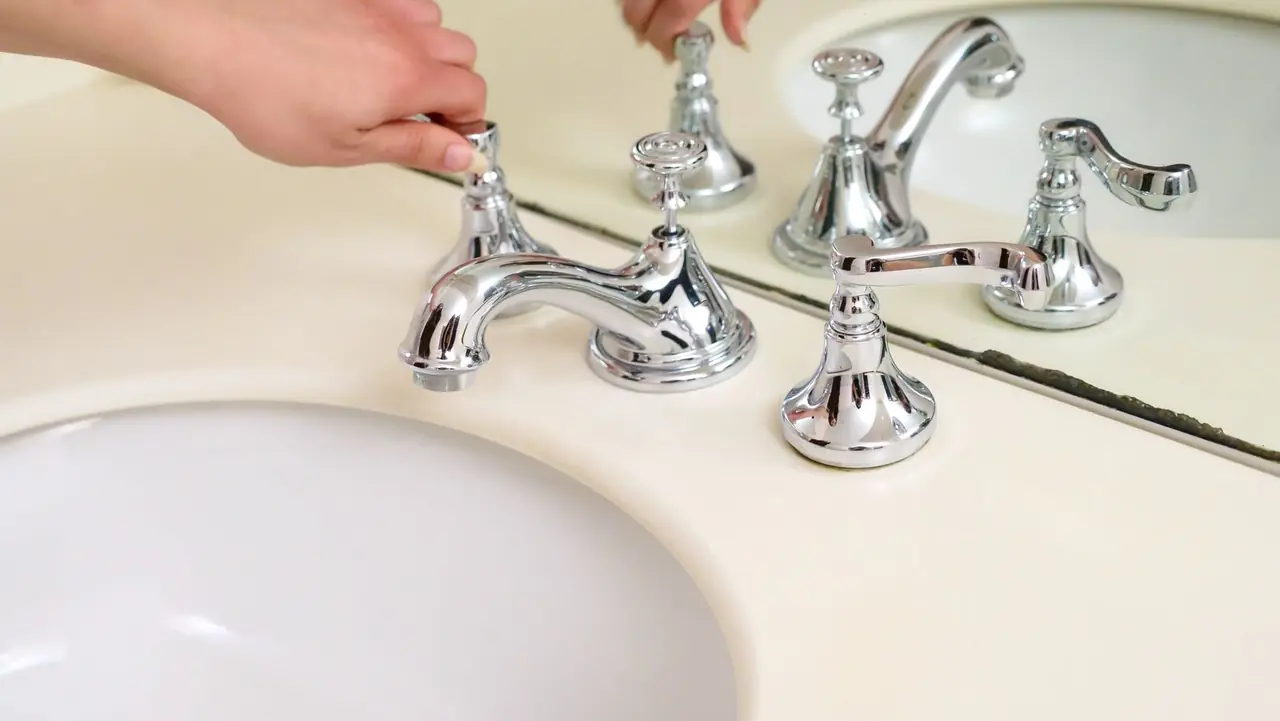
Faucet & Fixture Repair
Plumbers repair dripping faucets by replacing the cartridge or valve seat, and install new faucets and sinks — including the shutoffs and drain connections underneath..
Learn moreGet help with low water pressure
Common sign: weak shower or faucet flow.