
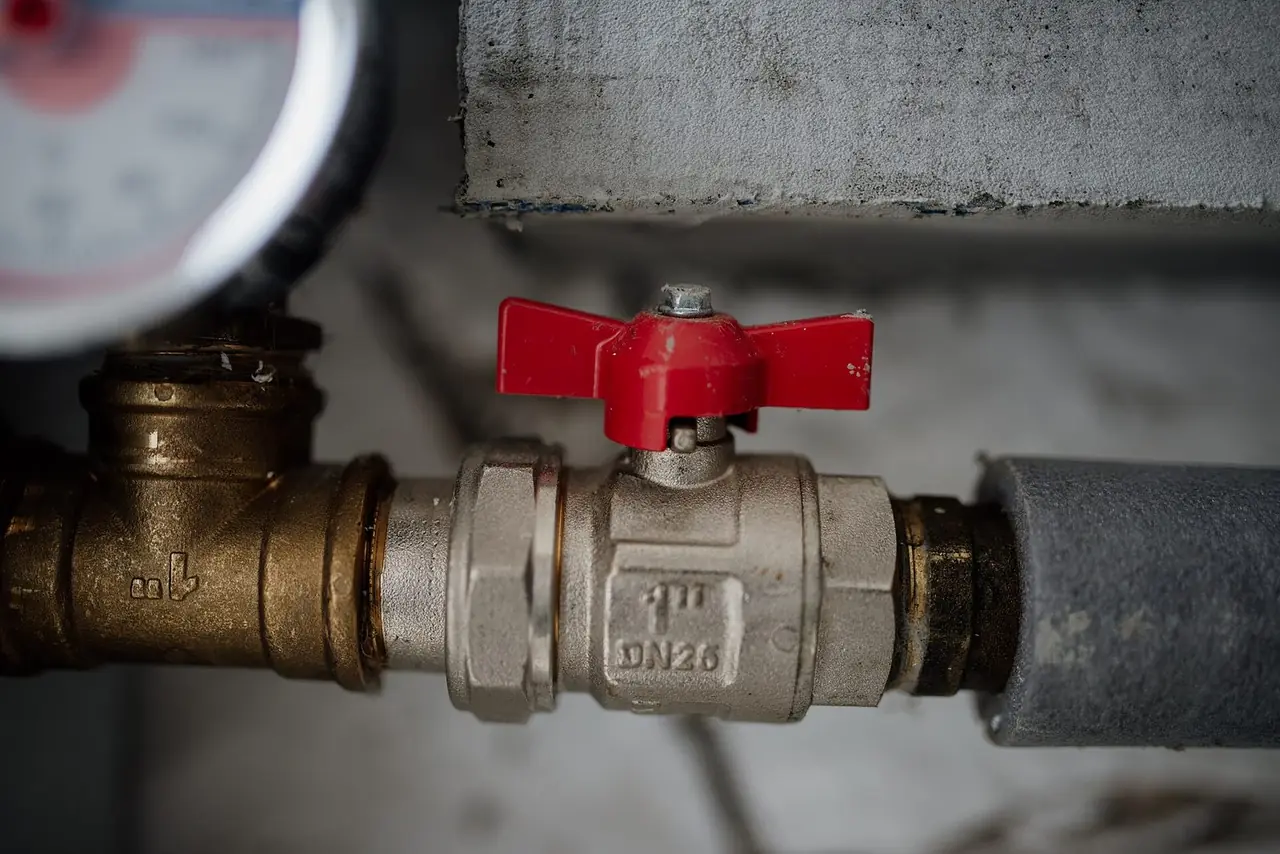
Pressure-reducing valve (PRV) replacement
A pressure-reducing valve (PRV) lowers incoming water pressure to a safe level for the house. When it fails, pressure can climb high enough to cause leaks, banging pipes and relief-valve drips, or drop suddenly. North Carolina code limits house distribution pressure to 80 psi.
Many homes have a bell-shaped PRV where the water line enters the house. Its internal diaphragm and spring wear out over time.
The quickest diagnosis is a pressure gauge on an outdoor faucet: a reading above 80 psi, or one that creeps up overnight, points to a failing PRV.
Signs you need water pressure regulator replacement
- Pressure above 80 psi on a gauge
- Banging pipes
- Running toilets and dripping faucets throughout the house
- A sudden drop in pressure everywhere
How water pressure regulator replacement is done
- 1
Test
Measure static pressure with a gauge.
- 2
Replace
Shut off at the main or meter and replace the valve.
- 3
Set
Adjust the new valve to a safe pressure and recheck.
What affects the cost of water pressure regulator replacement
- Valve size
- Access to the valve
- Shutting off at the meter
Ask for the trip fee and the total price before work starts.
Need water pressure regulator replacement? Call now
SteadWell is a free referral service, not a plumbing company. Calling (833) 753-0180 connects you with an independent, licensed plumber who serves your ZIP code; the plumber quotes and performs the work. Calls may be recorded.
Water pressure regulator replacement: common questions
What water pressure is normal?
Many homes run around 50 to 70 psi; North Carolina code caps distribution pressure at 80 psi under no-flow conditions.
How long does a PRV last?
Often many years, but they wear; check pressure if leaks and running toilets start appearing together.
Can a bad PRV cause low pressure?
Yes. A failed or clogged PRV can restrict flow as well as let pressure climb.