Emergency plumbing
Emergency plumbing
If water is actively leaking and you can't stop it, shut off the main water valve first, then call a plumber. For a sewage backup, stop running water in the house until the line is cleared.
- Cause diagnosed first
- Written price before work
- Permits pulled where required
- Urgent calls prioritized
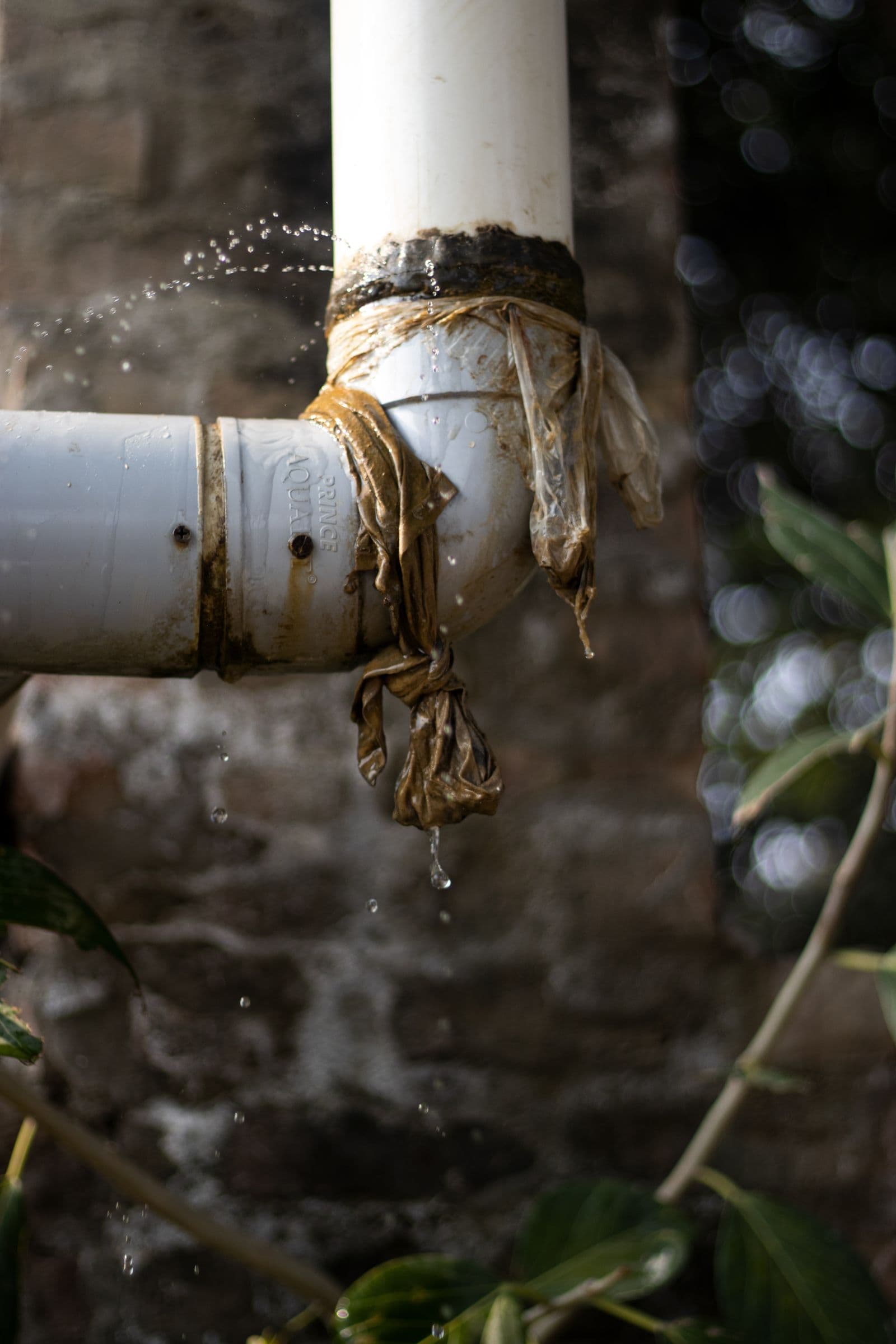
Most plumbing emergencies get worse by the minute, not the hour. Water under a floor or behind drywall spreads fast, and a sewer backup won't clear itself.
Call us and a dispatcher will walk you through stopping the water while we route a plumber. Tell us what you see — where the water is coming from, whether it's clean or sewage — so the right truck and parts come the first time.
Emergency Plumbing at a glance
- What it is
- If water is actively leaking and you can't stop it, shut off the main water valve first, then call a plumber.
- Service category
- Emergency plumbing
- Where
- 19 towns across the Charlotte metro (NC and York County, SC)
- Urgent service
- Call for current availability — urgent leaks and backups are prioritized.
- Pricing
- Written price after diagnosis, before any work starts.
Signs you need plumbing emergency help
- Water spraying or pouring from a pipe, fitting or water heater
- Sewage coming up through a floor drain, tub or lowest toilet
- Water coming through a ceiling or light fixture
- No water to the whole house
- A toilet overflowing that won't stop when you lift the flapper
- Gas smell near a gas water heater (leave the house and call the gas utility first)
The visit
What the visit involves
- 1
Stop the water
We talk you through closing the main shutoff or the fixture valve while the plumber is en route.
- 2
Find the source
On site, the plumber confirms where the water is coming from — not just where it shows up.
- 3
Make it safe, then fix it
We stop the leak or clear the backup first. If a permanent repair needs parts or a permit, you'll get a temporary fix and a written plan.
- 4
Document it
You get photos and notes on what failed. Useful if you're filing an insurance claim.
What affects the cost
We don't publish flat prices for work that depends on what we find. These are the things that move the number — you'll get a written price before any work starts.
- Time of day — after-hours visits typically cost more than scheduled visits
- Access: a pipe inside a finished wall or slab takes longer than one in a crawl space
- Whether the fix is permanent on the first visit or needs a return trip
- Pipe material and age (galvanized and polybutylene often need more than a patch)
Before you call
What's safe to try yourself
Safe to do yourself
- •Close the main shutoff (usually where the line enters the house, or at the meter by the street)
- •Turn off power or gas to the water heater if it's the source
- •Move valuables and photograph the damage for insurance
Stop and call a plumber if
- •Don't use electrical outlets or switches near standing water
- •Don't keep flushing or running water during a sewage backup
- •Don't use chemical drain openers on a backed-up main line
Emergency Plumbing: common questions
Who do I call for a burst pipe?
Shut off the main water valve, then call a licensed plumber. If water reached electrical fixtures, turn off that circuit at the breaker. Call your insurer after the leak is stopped.
How quickly should a plumbing leak be repaired?
An active leak should be stopped immediately and repaired the same day where possible. Even a slow drip inside a wall can cause mold within 24–48 hours.
Is a sewage backup an emergency?
Yes. Sewage carries bacteria and will keep rising if water is used upstairs. Stop using water in the house and call a plumber to clear the main line.
What counts as a plumbing emergency?
Any leak you can't stop, sewage coming up a drain, no water to the house, water near electrical fixtures, or a gas smell near a water heater. Slow drains, running toilets and dripping faucets can usually wait for a scheduled visit.
How do I shut off water to my whole house?
Close the main shutoff valve where the water line enters the house — usually in the crawl space, basement, garage or near the water heater — by turning a round handle clockwise or a lever a quarter turn. If you can't find it, the curb valve in the meter box also stops the water.
Should I call my water utility or a plumber for a leak?
Call a plumber for leaks on your side of the meter — inside the house or in the yard between the meter and the house. Call the water utility if water is coming from the meter box, the street or the sidewalk.
Will homeowners insurance cover a burst pipe?
Most policies cover sudden, accidental water damage from a burst pipe but not gradual leaks or wear. Photograph the damage before cleanup and keep the plumber's written description of what failed; the pipe repair itself is often not covered even when the water damage is.
Service area
Emergency Plumbing across the Charlotte metro
Related
Related services
Leak Detection
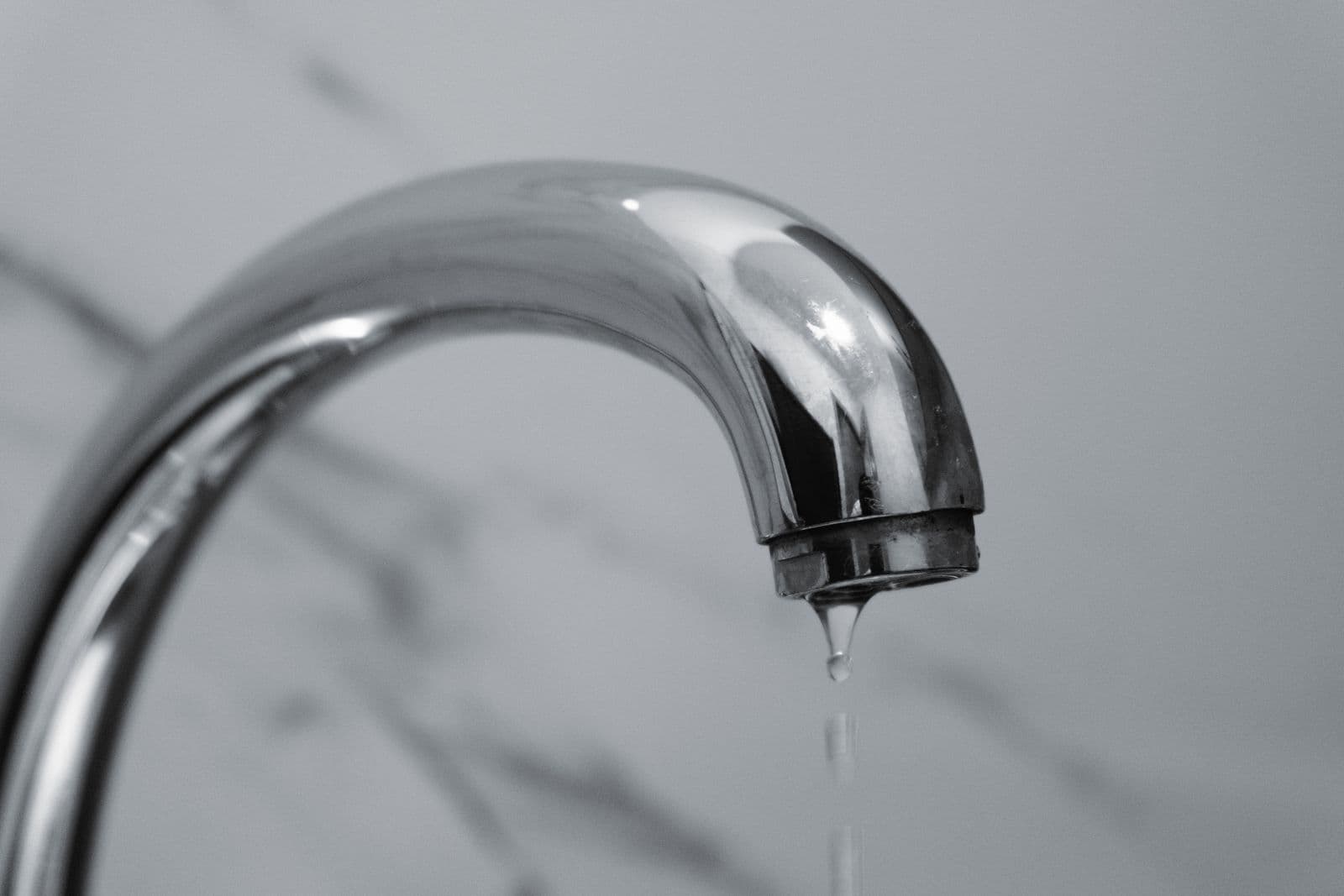
Plumbers find hidden leaks by isolating sections of plumbing and testing them, then pinpointing the spot with acoustic listening, thermal imaging and moisture meters — so only a small, targeted opening is needed for the repair..
Learn more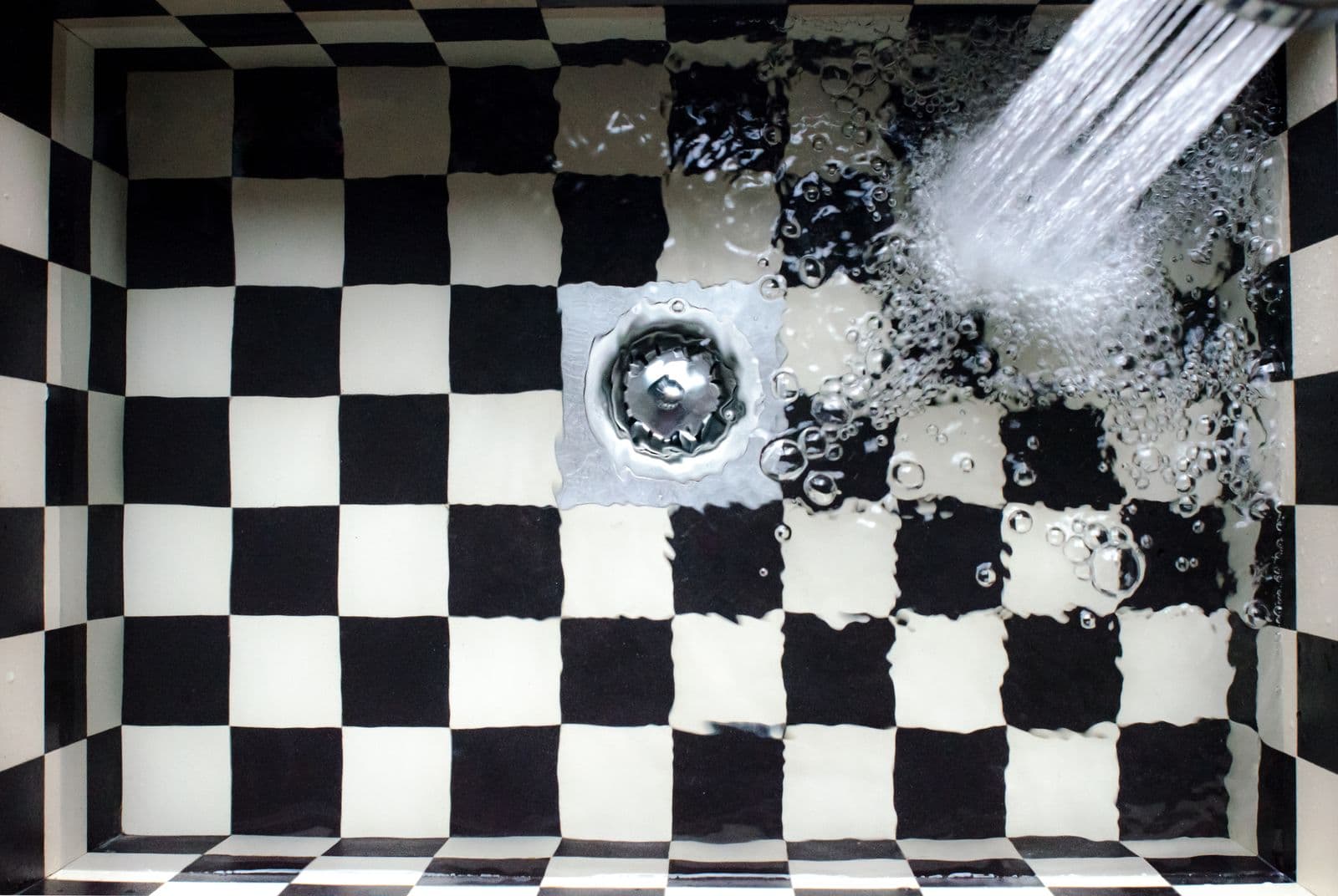
Drain Cleaning
A plumber clears a clogged drain with a drain cable (snake) sized to the pipe, and uses a camera or hydro jetting when a clog keeps coming back.
Learn more
Water Heater Repair
Most no-hot-water problems come from a failed heating element or thermostat (electric) or a thermocouple, igniter or gas-valve issue (gas), and are repairable.
Learn moreGet help with a plumbing emergency
Call for current availability — urgent leaks and backups are prioritized.