
Water lines & quality
Water filtration and treatment
Call NowThe right water treatment depends on what's in your water. Chlorine taste and odor are handled with carbon filtration; sediment with a sediment filter; well-water issues like iron or bacteria need specific treatment chosen from a lab test.
At a glance
Common sign
Chlorine taste or smell
First step
Define the goal
Municipal water in the Charlotte area meets federal standards, and many homes don't need treatment at all. People install filtration to fix taste, chlorine odor or sediment — and well owners often need it for iron, manganese or bacteria.
Start with what you're trying to fix and, for wells, a lab test. Then choose the simplest system that solves it, installed with a bypass so it can be serviced without shutting off the house.
Water Filtration & Treatment at a glance
- What it is
- The right water treatment depends on what's in your water.
- Service category
- Water lines & quality
Signs you need water quality help
- Chlorine taste or smell
- Sediment in faucet aerators
- Orange or brown staining (often iron on wells)
- Rotten-egg smell from the tap
- New well or a well that's never been tested
The visit
What a water filtration visit involves
- 1
Define the goal
Taste, sediment, staining or health concern — and a lab test for wells.
- 2
Recommend
Point-of-use, whole-house, or specific well treatment sized to your flow.
- 3
Install with a bypass
So filters can be changed without disrupting the house.
- 4
Maintenance plan
Filter change intervals written down, not guessed.
What affects the cost of water filtration
- Point-of-use vs. whole-house
- Well treatment complexity
- Space and drain access
- Ongoing filter costs
Check water filtration coverage near you
Use your location or ZIP code to see whether water filtration & treatment is covered where you are, and the nearest service area.
Location is only used to find the service area nearest you. It stays on your device and isn't stored.
Water actively leaking, overflowing or backing up? That's a job for 24-hour emergency service, not a scheduled visit.
Water Filtration: common questions
Do I need a water softener in Charlotte?
Usually not. Charlotte-area municipal water is generally soft to moderately hard. Well water varies, so test before buying equipment.
What is the best water filter for a home?
The best filter depends on what's in the water. Carbon filters handle chlorine taste and odor, sediment filters handle particles, and wells may need iron, manganese or bacteria treatment chosen from a lab test.
Should I test my well water?
Yes. Private wells aren't regulated like public water, so owners should test periodically — commonly at least once a year for bacteria — and after any change in taste, smell or color.
Is Charlotte water hard?
No. Charlotte Water's 2024 water quality report lists calcium hardness of about 25 parts per million, which is soft. A softener is rarely needed on Charlotte municipal water.
Should I test before buying a filter?
Yes, especially on well water. A lab test tells you what's actually in the water so you buy treatment for a problem you have.
Sources: Charlotte Water 2024 Annual Drinking Water Quality Report. Prices are national estimates, not quotes.
Service area
Water Filtration across the Charlotte metro
- Water Filtration & Treatment in Charlotte
- Water Filtration & Treatment in Matthews
- Water Filtration & Treatment in Mint Hill
- Water Filtration & Treatment in Huntersville
- Water Filtration & Treatment in Concord
- Water Filtration & Treatment in Gastonia
- Water Filtration & Treatment in Cornelius
- Water Filtration & Treatment in Davidson
- Water Filtration & Treatment in Mooresville
- Water Filtration & Treatment in Pineville
- Water Filtration & Treatment in Indian Trail
- Water Filtration & Treatment in Monroe
- Water Filtration & Treatment in Waxhaw
- Water Filtration & Treatment in Harrisburg
- Water Filtration & Treatment in Kannapolis
- Water Filtration & Treatment in Belmont
- Water Filtration & Treatment in Fort Mill
- Water Filtration & Treatment in Tega Cay
- Water Filtration & Treatment in Rock Hill
- Water Filtration & Treatment in Stallings
- Water Filtration & Treatment in Mount Holly
- Water Filtration & Treatment in Cramerton
- Water Filtration & Treatment in Denver
- Water Filtration & Treatment in Lake Wylie
- Water Filtration & Treatment in Clover
- Water Filtration & Treatment in Indian Land
Related
Services often paired with water filtration
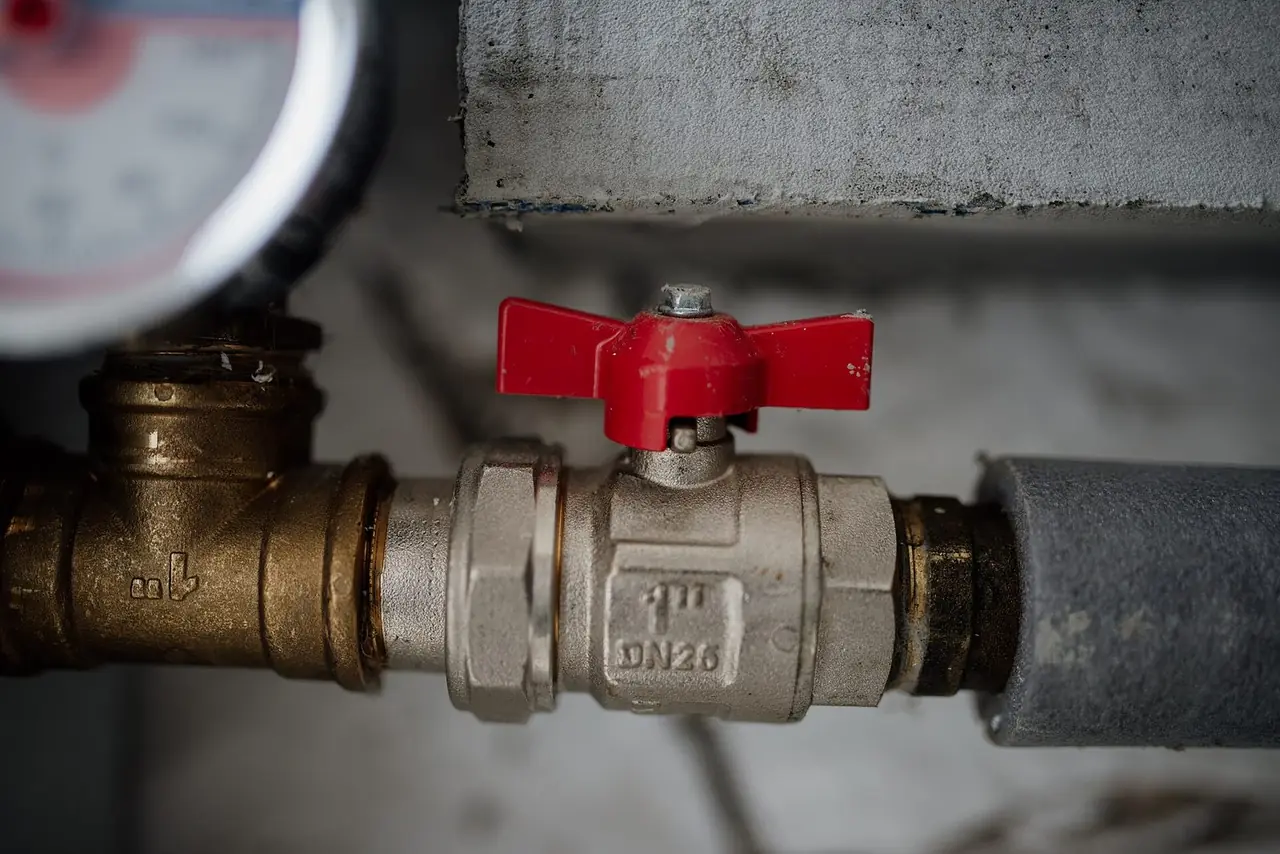
Low Water Pressure Diagnosis
Low pressure at one fixture is usually a clogged aerator or cartridge.
Learn more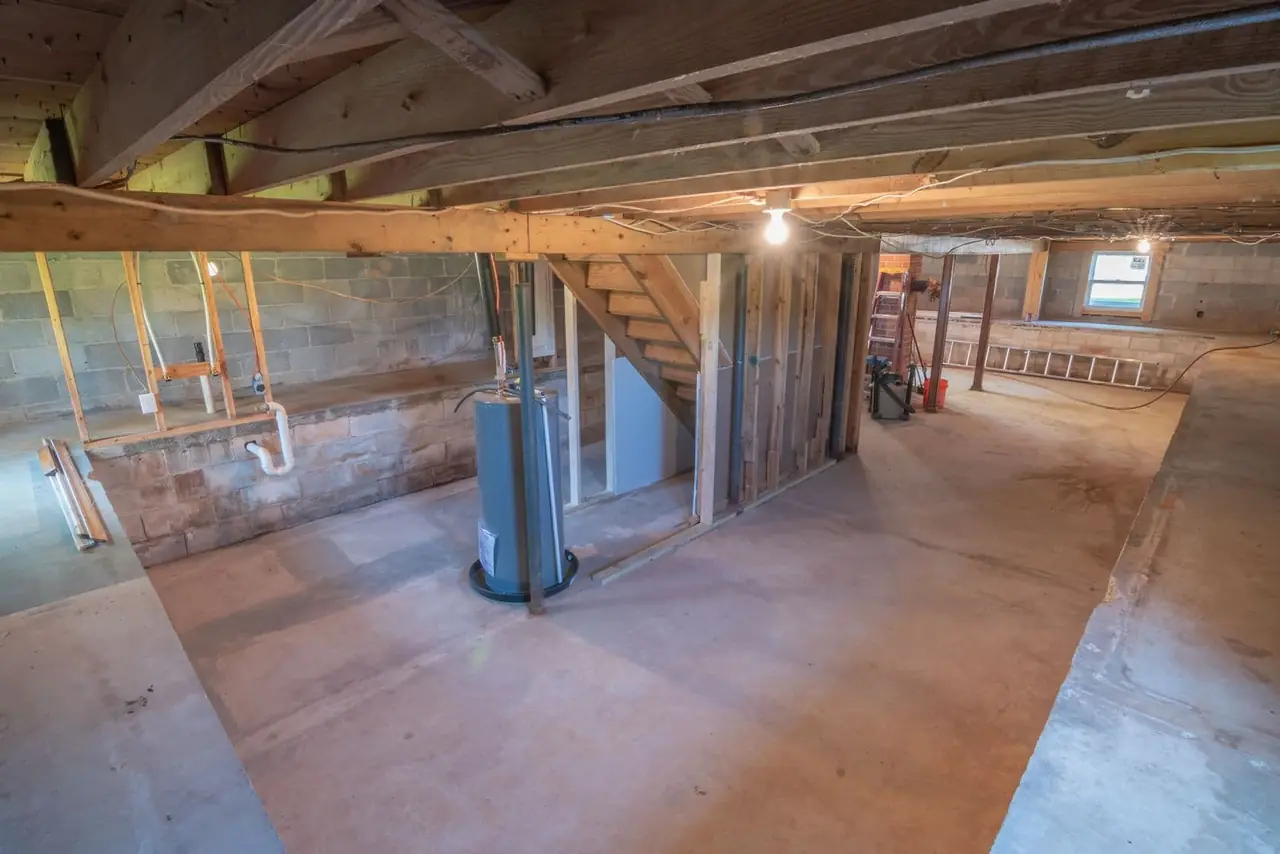
Water Heater Repair
Most no-hot-water problems come from a failed heating element or thermostat (electric) or a thermocouple, igniter or gas-valve issue (gas), and are repairable.
Learn more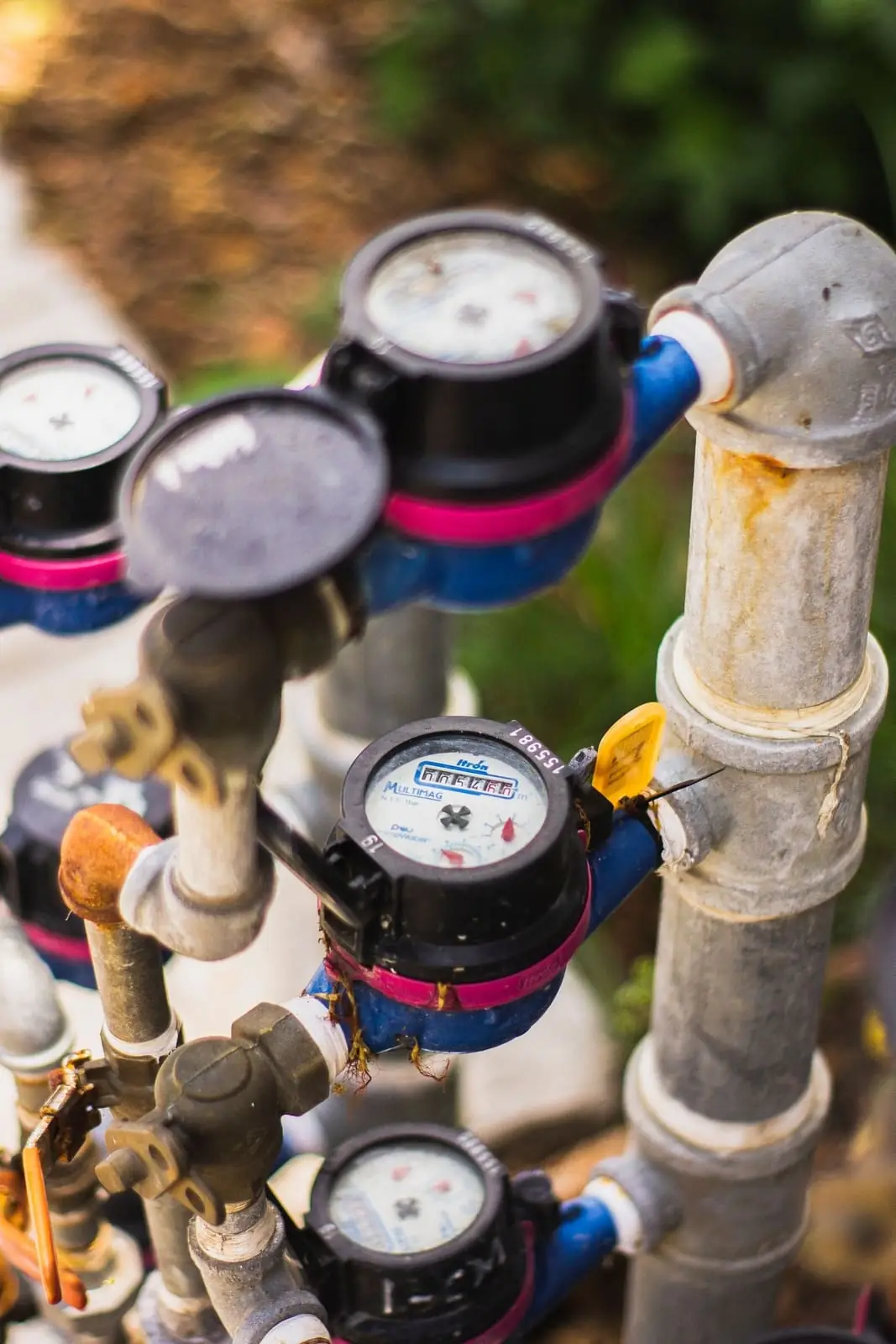
Main Water Line Repair
Yes, plumbers repair and replace the water service line between the meter and your house.
Learn moreGet help with your water quality
Common sign: chlorine taste or smell.