Water pressure problems in Charlotte come from three places: the utility side, a pressure-reducing valve (PRV) at the house, or the house plumbing itself. Narrowing it down takes a few minutes and a pressure gauge.
Narrow it down
- One fixture: clean the aerator or showerhead, or check that fixture's valve.
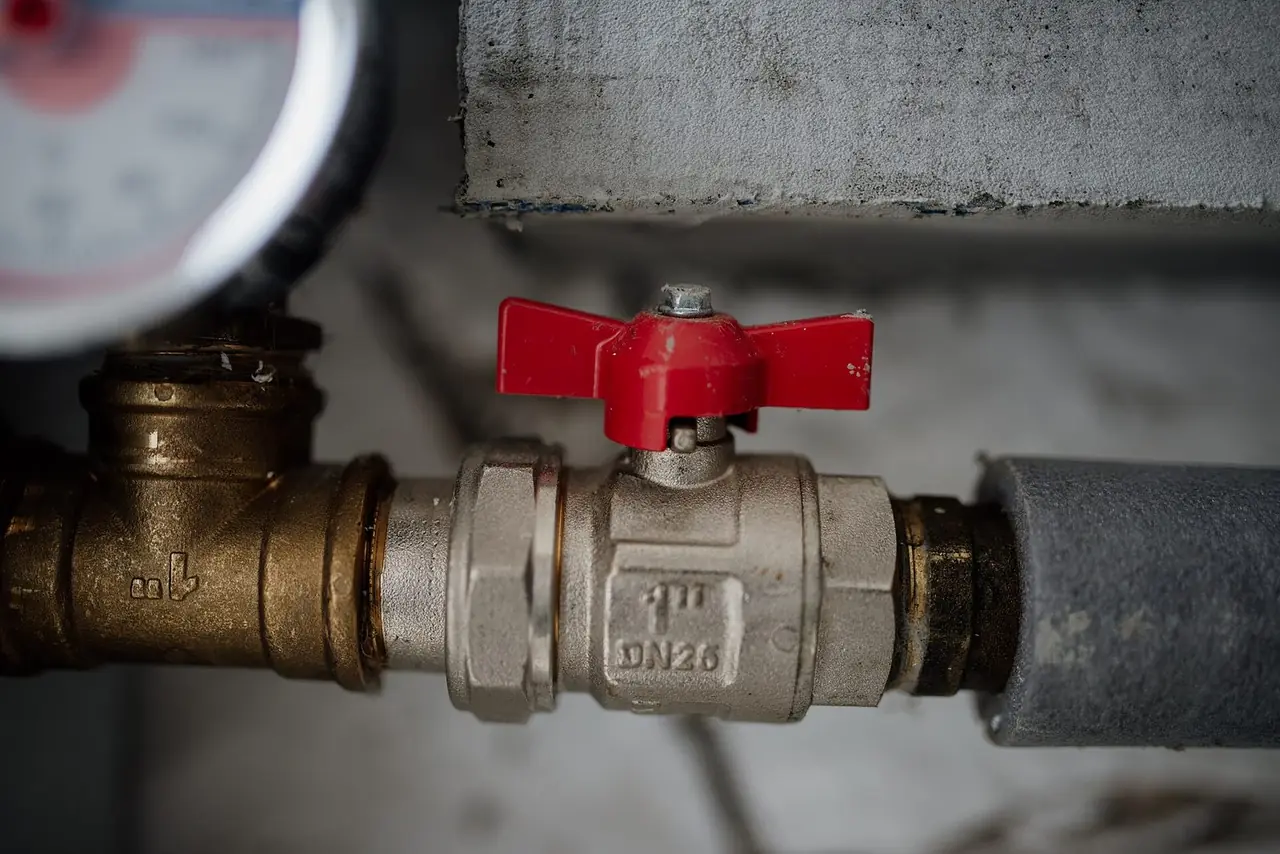
- Hot water only: look at the water heater's supply valve and the heater itself.
- Whole house, sudden: ask neighbors and check for Charlotte Water notices; then suspect the PRV.
- Whole house, gradual over years: in older homes, corroded galvanized pipe is likely.
Pressure-reducing valves and the 80 psi limit
What pressure should my house have?
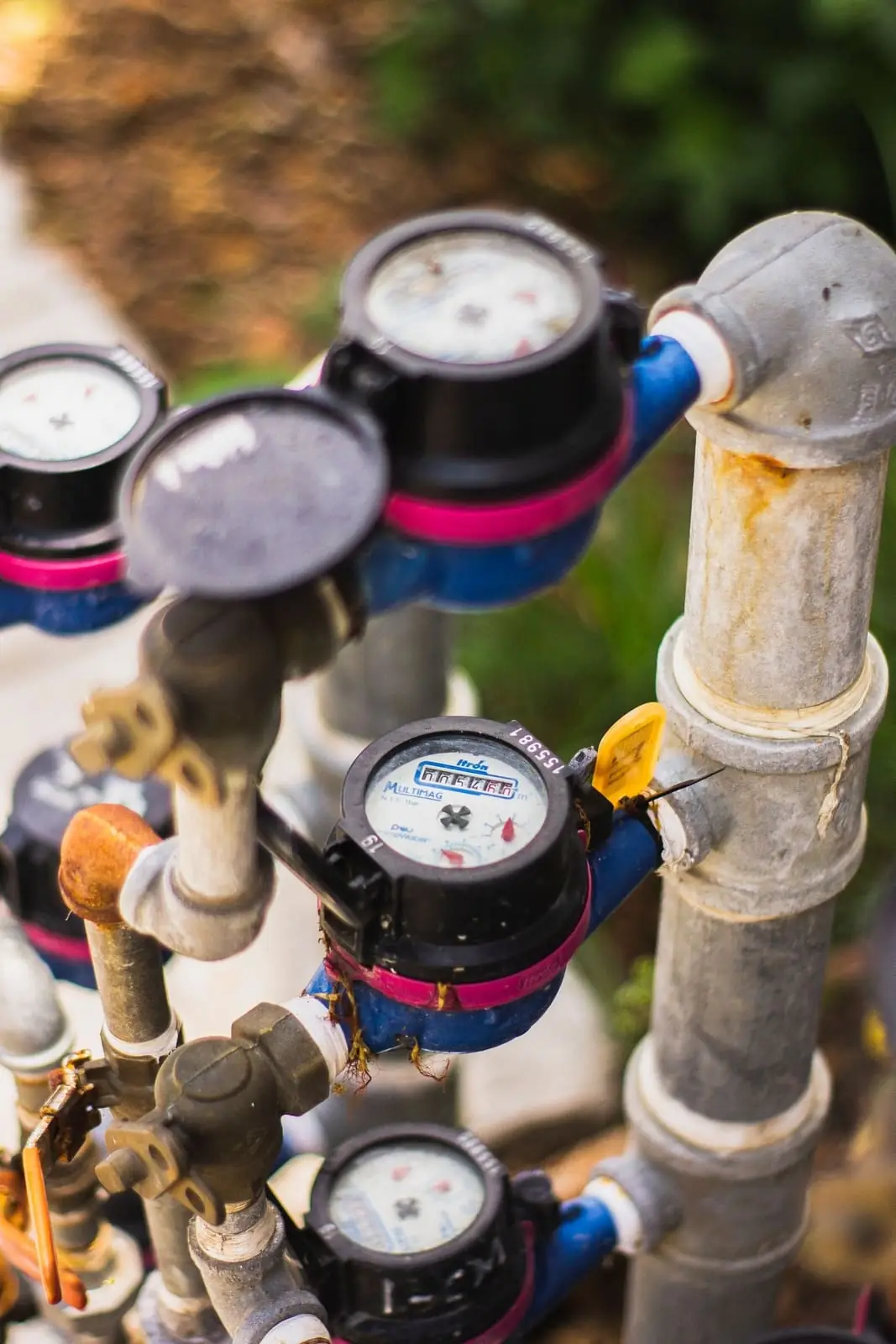
North Carolina's plumbing code limits pressure in the house's water distribution piping to 80 psi under no-flow conditions, and requires a pressure-reducing valve near where the service enters the building when supply pressure is higher. A failing PRV can drop pressure suddenly, or let it climb high enough to cause leaks and relief-valve drips.
Corroded pipe
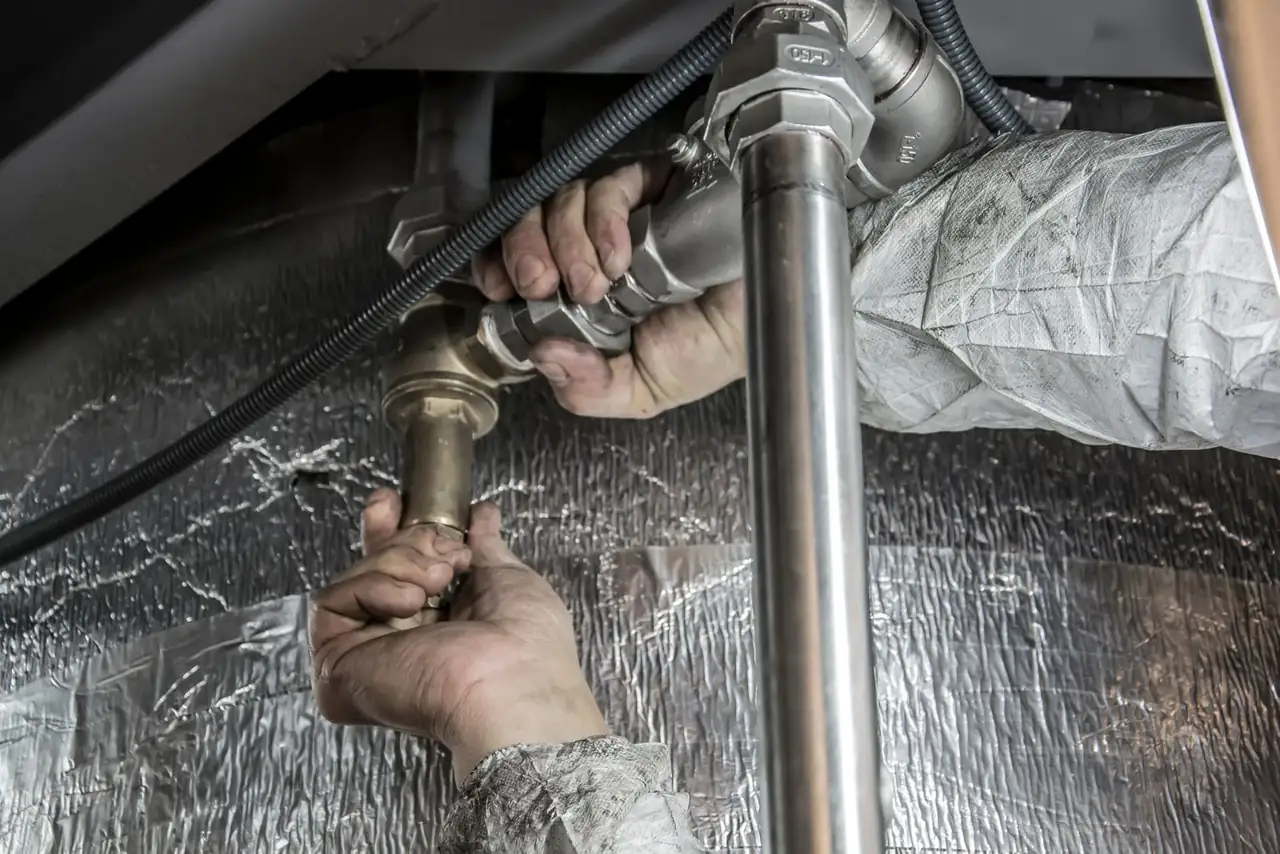
In older Charlotte homes, galvanized steel pipe narrows with internal corrosion, and pressure fades over years. Cleaning doesn't fix it; replacing the pipe does. See pipe repair and repiping in Charlotte and what causes low water pressure.
Hiring a plumber for low water pressure diagnosis in Charlotte
SteadWell is a free referral service, not a plumbing company. We connect you with an independent, licensed plumber who serves Charlotte; that plumber prices the job and stands behind the work.
- Confirm the North Carolina license with the State Board of Examiners of Plumbing, Heating and Fire Sprinkler Contractors.
- Ask the plumber to measure static pressure with a gauge.
- Ask whether a pressure-reducing valve is installed and its condition.