Drains
Drain cleaning
A plumber clears a clogged drain with a drain cable (snake) sized to the pipe, and uses a camera or hydro jetting when a clog keeps coming back. One slow fixture is usually a local clog; several slow fixtures at once point to the main line.
- Cause diagnosed first
- Written price before work
- Permits pulled where required
- Urgent calls prioritized
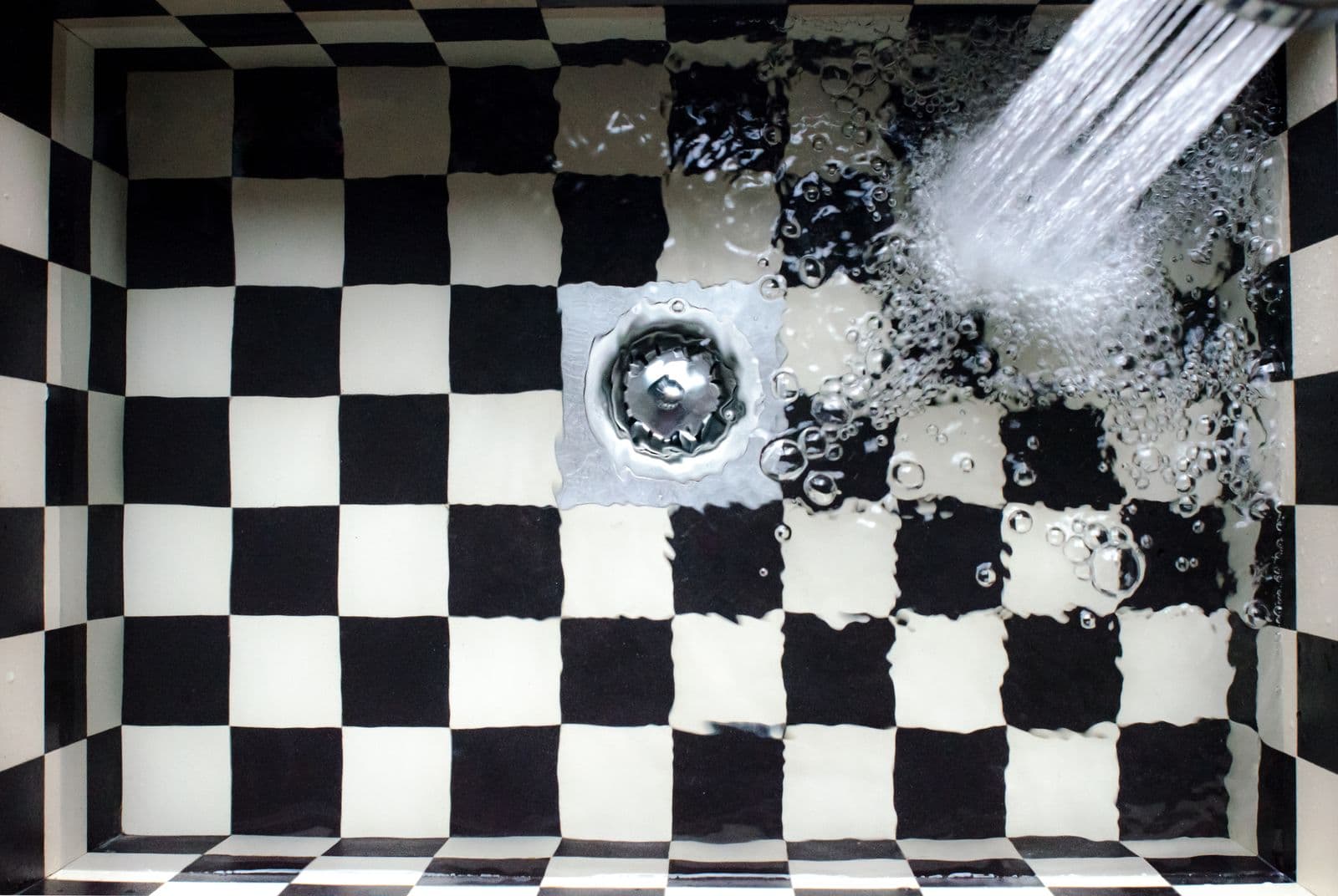
A single slow sink is usually hair, soap or grease close to the fixture. When the tub gurgles as the toilet flushes, or the lowest drain in the house backs up, the problem is further down — usually in the main line.
We figure out which one you have before we start, because it changes the tool, the access point and the price.
Drain Cleaning at a glance
- What it is
- A plumber clears a clogged drain with a drain cable (snake) sized to the pipe, and uses a camera or hydro jetting when a clog keeps coming back.
- Service category
- Drains
- Where
- 19 towns across the Charlotte metro (NC and York County, SC)
- Urgent service
- Call for current availability — urgent leaks and backups are prioritized.
- Pricing
- Written price after diagnosis, before any work starts.
Signs you need clogged drain help
- Water draining slowly or standing in a sink or tub
- Gurgling from a drain when another fixture runs
- Sewer smell from a drain
- Water backing up in a floor drain or lower-level shower
- Clogs returning within weeks of being cleared
The visit
What the visit involves
- 1
Locate the clog
We run fixtures to see which drains are affected and find the nearest cleanout.
- 2
Clear it with the right tool
Hand cable for fixture drains, machine cable for main lines, hydro jetting for grease and scale.
- 3
Verify flow
We run water at volume to confirm the line actually carries flow, not just a pinhole through the clog.
- 4
Camera if it's a repeat
If the line has clogged before, we recommend a camera inspection to find roots, a belly or broken pipe.
What affects the cost
We don't publish flat prices for work that depends on what we find. These are the things that move the number — you'll get a written price before any work starts.
- Fixture drain vs. main line
- Whether there's an accessible cleanout (no cleanout often means pulling a toilet)
- Clog type — hair and soap vs. grease, roots or scale
- Whether camera inspection or jetting is needed
Before you call
What's safe to try yourself
Safe to do yourself
- •A plunger on sinks and tubs (cover the overflow hole)
- •Pulling hair from the tub stopper
- •Cleaning the P-trap under a sink with a bucket underneath
Stop and call a plumber if
- •Several drains are slow at once
- •Water comes up in a different fixture
- •You've used chemical cleaners — tell the plumber before they open the line
Drain Cleaning: common questions
Why does my drain keep clogging?
Repeat clogs usually mean the pipe has a defect that catches debris: roots, a sagging section (belly), heavy scale, or grease buildup that a cable only punched through. A camera inspection shows which.
Are chemical drain cleaners safe for my pipes?
Occasional use is unlikely to hurt modern PVC, but they rarely clear a real clog, can damage older metal pipe, and are hazardous to the person who opens the drain next.
What's the difference between snaking and hydro jetting?
A cable opens a path through the clog. Hydro jetting uses high-pressure water to scour the pipe wall, removing grease and scale so the clog is less likely to return.
How do I know if the clog is in my main sewer line?
If more than one drain is slow, water comes up in the tub or shower when the toilet flushes, or the lowest drain in the house backs up, the clog is in the main line. A clog in one sink or tub only is usually local to that fixture.
Is it safe to use a plunger on a sink with a garbage disposal?
Yes, with the disposal off and the dishwasher drain hose clamped or the other sink basin covered so pressure isn't lost. Don't plunge after pouring chemical drain cleaner into the sink.
What causes a gurgling drain?
Gurgling means air is being pulled through the trap because water can't drain freely — usually a partial clog downstream or a blocked plumbing vent. If several fixtures gurgle, have the main line and vent checked.
How can I keep my drains from clogging?
Keep grease, coffee grounds and fibrous food out of the kitchen sink, use hair catchers in showers and tubs, and flush only toilet paper — including skipping wipes labelled 'flushable'. Running hot water after using the kitchen sink helps move residue along.
Service area
Drain Cleaning across the Charlotte metro
Related
Related services
Hydro Jetting
Hydro jetting cleans a drain or sewer pipe with high-pressure water, removing grease, scale and fine roots from the pipe wall.
Learn more
Sewer Camera Inspection
A sewer camera inspection sends a waterproof camera through your drain line to show roots, cracks, sags and blockages, and a locator marks where and how deep the problem is.
Learn moreSewer Line Repair & Replacement
A damaged sewer line can often be fixed with a spot repair at the failed section.
Learn moreGet help with a clogged drain
Call for current availability — urgent leaks and backups are prioritized.