
Drains
Sink Not Draining? Causes and Fixes
Updated · Written by the SteadWell team
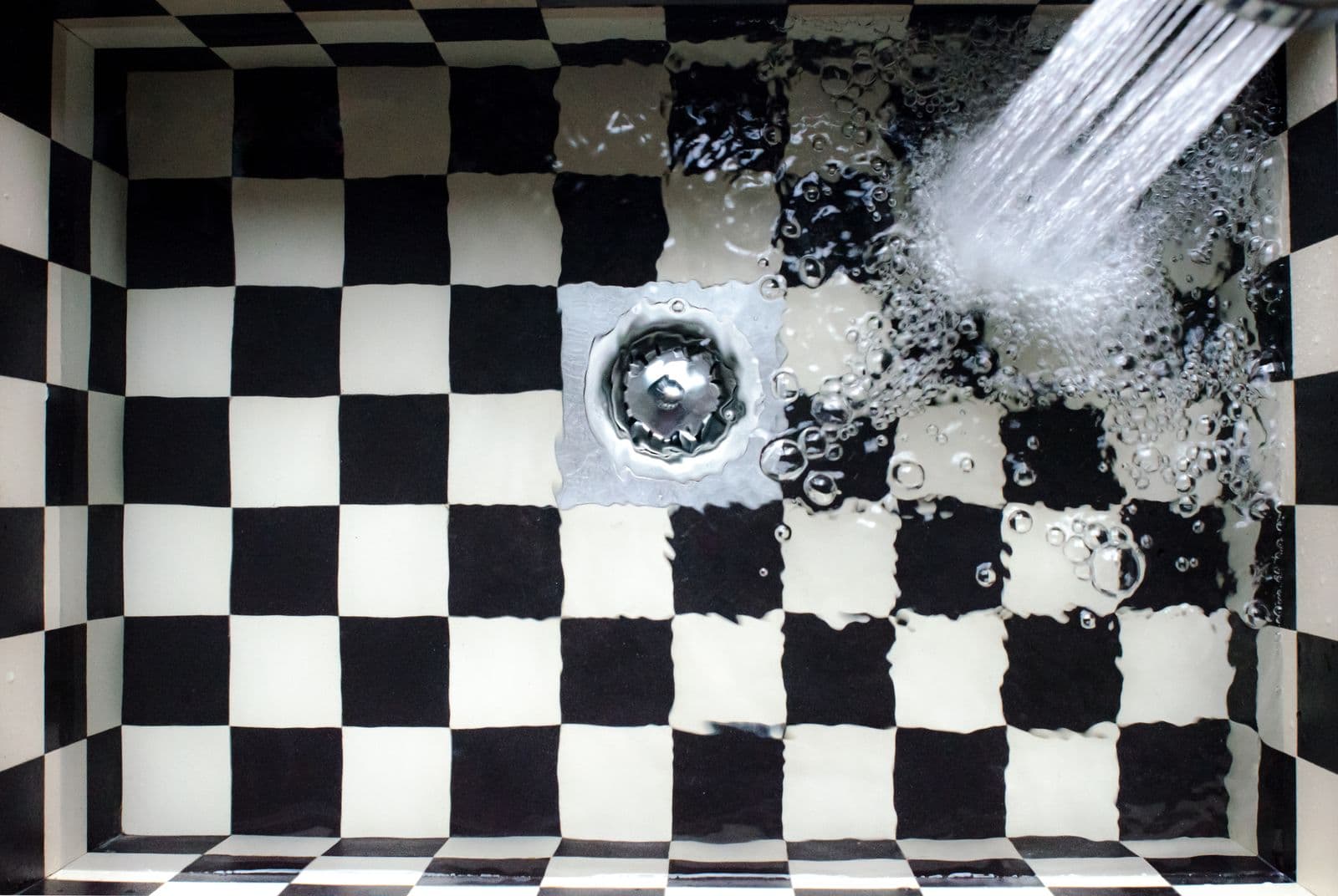
Bathroom sinks: hair and soap
The pop-up stopper collects hair, and soap binds it into a plug. Pull the stopper out (on most sinks it lifts straight up or releases from a pivot rod behind the drain), clean it, and the sink often drains normally again.
Kitchen sinks: grease and food
Grease poured down a kitchen sink cools and coats the pipe, trapping food until the drain closes. If you have a garbage disposal, a jammed or clogged disposal can also stop the sink.
- Run the disposal and listen — humming means it's jammed
- Clean the P-trap under the sink with a bucket underneath
- Don't pour chemical drain cleaner into standing water in a sink with a disposal
Signs the clog is past the sink
A kitchen sink that backs up when the dishwasher drains, a bathroom sink that gurgles when the toilet flushes, or water rising in a nearby tub all mean the blockage is in a shared branch line or the main. That needs a drain machine, not a plunger.
When clogs keep coming back
A sink that clogs every few months has buildup a snake only punches through. Hydro jetting cleans the pipe wall, and a camera inspection shows whether there's a sag or break collecting debris.
This guide is general information, not a substitute for an on-site assessment. Read our editorial standards.