Water heater repair in Charlotte usually starts with one of four complaints: no hot water at all, hot water that runs out too fast, water around the base of the tank, or a gas pilot that won't stay lit. Most of those have a specific, fixable cause, and a plumber can usually tell within one visit whether the heater is worth repairing.
Before anyone arrives, it helps to know two things from the label on the tank: whether it runs on gas or electricity, and how old it is. Both are common here: Census data shows about 44% of Charlotte households heat their homes with gas and 54% with electricity, and gas and electric water heaters fail in different ways. The age decides whether a repair makes sense at all.
Customers' most common frustration with water heater calls is not the repair itself but the surprise at the end: a diagnostic fee they weren't told about, or a replacement recommended without a clear reason. This page covers what each symptom usually means, what repairs typically cost nationally, when replacement is the honest answer, and what to ask before you approve work.
What the symptom usually tells you
Water heaters have a short list of parts that wear out, and each one produces a recognizable symptom. Matching the symptom to the part is how a plumber narrows the repair, and it's how you can judge whether a diagnosis makes sense.
Why is there no hot water at all?
On an electric heater, the usual causes are a tripped breaker, a tripped high-limit reset button, or a failed upper heating element. On a gas heater, it's usually a pilot that has gone out because of a worn thermocouple or flame sensor, or a gas valve problem. Check the breaker or the pilot window first; if the problem returns, a part has failed.
Why does my hot water run out faster than it used to?
On electric models, a failed lower element is the classic cause: the upper element still heats the top of the tank, so you get a short burst of hot water and then lukewarm. On both types, a thick layer of sediment on the bottom of the tank takes up space and insulates the water from the heat source.
Why is my water heater making popping or rumbling noises?
Popping is almost always sediment. Minerals settle on the tank bottom, water gets trapped underneath, and it boils through the layer. Flushing can help on a younger tank. On an older tank that has never been flushed, sediment can clog the drain valve, so it's worth having a plumber do the first flush.
Is a leaking water heater dangerous?
A leak is rarely an immediate safety hazard, but it can do real damage and it tells you something important. Water from a fitting, the drain valve or the relief valve is often repairable. Water seeping from the tank body itself means the inner tank has corroded through, and that cannot be repaired. Turn off the water supply to the heater and the power or gas, then call.
What if water is coming out of the relief valve pipe?
The temperature and pressure (T&P) relief valve opens when the tank gets too hot or the pressure gets too high. Occasional drips can mean the valve itself is worn. Regular discharge often points to thermal expansion: when heated water has nowhere to expand because a check valve or pressure-reducing valve is on the supply line. The fix is usually an expansion tank, not a new heater.
Common water heater repairs, gas and electric
These are the repairs plumbers make most often on tank-type heaters. Knowing them helps you follow the explanation you're given and ask the right follow-up questions.
- Heating element replacement (electric): elements burn out from age or from being exposed when sediment builds up. Many technicians test both elements and replace the failed one.
- Thermostat replacement (electric): a faulty thermostat can leave water too cool or overheat it until the high-limit switch trips.
- Thermocouple or flame sensor replacement (gas): the most common cause of a pilot that lights but won't stay lit.
- Gas control valve replacement (gas): needed when the valve itself fails; it costs more than a thermocouple, which is why age matters for this decision.
- T&P relief valve replacement: for a valve that leaks or has stopped opening freely. This is a safety device, and it should never be capped or plugged.
- Drain valve replacement: plastic drain valves on many tanks can crack or leak after years of use.
- Anode rod replacement: the anode rod corrodes so the tank doesn't. Replacing a spent rod on a younger tank can extend its life. A rotten-egg smell from hot water is often an anode reaction; see our guide to rotten-egg smell from hot water.
- Expansion tank installation: for relief-valve discharge caused by thermal expansion.
What does water heater repair cost?
There's no single price, and any Charlotte figure you see online that isn't a written quote for your heater is an estimate. National cost guides give a useful sense of scale. HomeAdvisor puts the national average water heater repair at about $606, with most homeowners paying between roughly $222 and $990. Angi reports a similar national average of about $616.
Single-part repairs land toward the low end. Cost guides list heating element replacement at roughly $150 to $350 and thermocouple replacement at roughly $150 to $300, parts and labor included. Gas valve replacements, leaks that need fittings rebuilt, and after-hours calls push the total higher.
What should I ask before approving a water heater repair?
Ask whether there is a diagnostic or trip fee and whether it is applied to the repair. Ask for the total price for the repair, not just the part. Ask which part failed and how they know, and ask whether the repair is warrantied. If replacement is recommended, ask what specifically rules out repair: a leaking tank is a clear reason, a 'better efficiency' pitch on a four-year-old heater is not.
Repair or replace: a practical rule
Tank water heater life is commonly cited at about 8 to 12 years. Within that range, the decision usually comes down to two questions: is the tank itself sound, and how does the repair compare with the cost and remaining life of a new unit?
- Repair: a failed element, thermostat, thermocouple, relief valve or drain valve on a heater that is not leaking from the tank and has years of expected life left.
- Replace: any leak from the tank body, heavy rust in the hot water from a corroded tank, or a heater near or past 10 years old that needs an expensive part such as a gas control valve.
- Think it through: repeated repairs on the same heater within a year or two, or a household that now regularly runs out of hot water because it has outgrown the tank.
What's specific to Charlotte
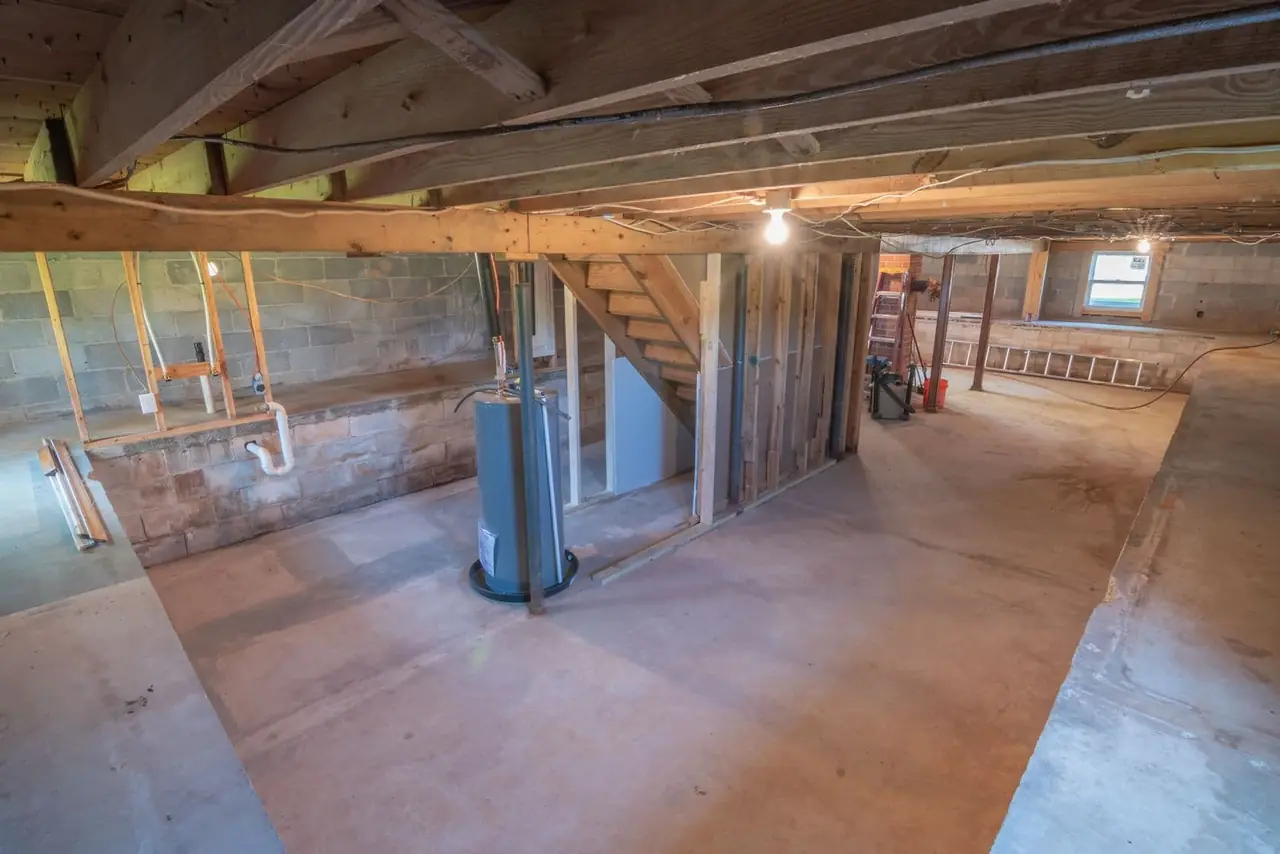
Where the heater sits matters too. Many Charlotte-area houses have the water heater in a garage, an attic or a utility closet. A slow leak from an attic or upper-floor heater can show up first as a stain on the ceiling below, so check the drain pan and its drain line if your heater is overhead.
Does Charlotte's water cause sediment and scale?
Less than in many cities. Charlotte Water's 2024 drinking water quality report lists calcium hardness of about 25 parts per million, which is soft water. Sediment still builds up over years, so flushing is worthwhile, but hard-water scale is not the main reason Charlotte tanks fail. Homes on private wells in the surrounding counties can have different water and should test it.
Do I need a permit to replace a water heater in Charlotte?
A repair usually doesn't need a permit, but a replacement does. Mecklenburg County Code Enforcement lists replacing a water heater among residential projects that need a permit. Licensed plumbers normally pull the permit, and the new installation is inspected.
Why might a replacement need parts my old heater didn't have?
Code has changed since many existing heaters were installed. North Carolina's plumbing code, as interpreted by the Office of State Fire Marshal, requires an expansion device when a storage water heater is installed or replaced on a supply line with a check valve, pressure-reducing valve or backflow preventer. The relief-valve discharge must also be piped so it can't cause damage. That's why a like-for-like swap can cost more than the heater alone.
What to expect when a plumber comes out
A typical repair visit follows a predictable path. The plumber confirms the fuel type, age and model from the label, checks power or gas supply, and then tests the likely parts for your symptom: elements and thermostats with a meter on electric heaters, the pilot assembly and gas valve on gas heaters. They look at the tank, fittings, relief valve and drain pan for leaks or corrosion.
You should get a clear explanation of what failed and a price before work starts. Many single-part repairs are finished in the same visit if the part is on the truck; a gas valve or a less common part may need a return trip.
SteadWell is a free referral service, not a plumbing company. When you call, we connect you with an independent, licensed local plumber who serves Charlotte. Pricing, scheduling and any warranty come from that plumber, so ask them the questions above directly.
Tankless water heater repair
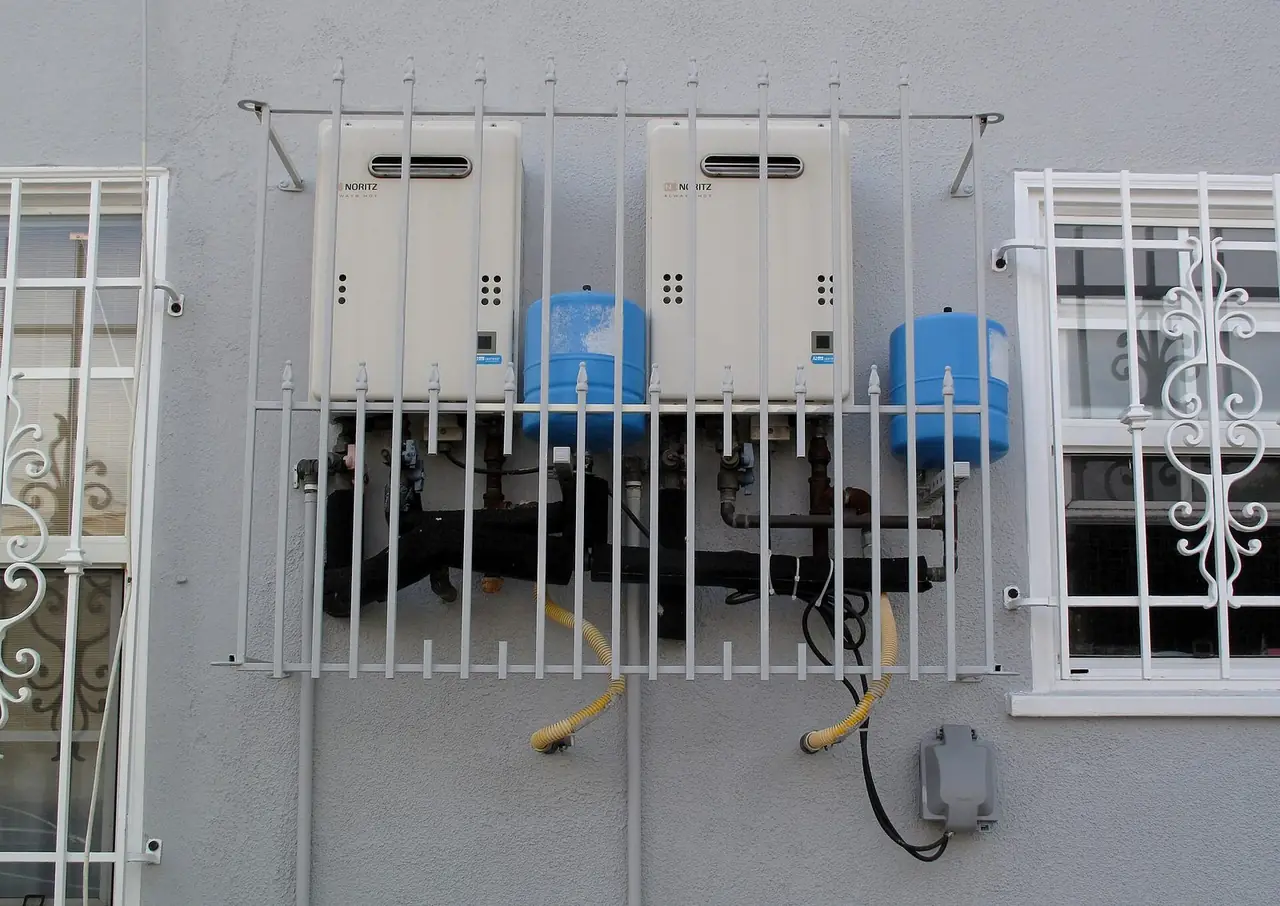
Tankless heaters fail differently. Common problems are error codes from scale or a clogged inlet filter, ignition or flame-rod faults on gas units, venting problems, and units that shut off when flow is too low. Annual descaling is the main maintenance item. If you're weighing a switch to tankless rather than repairing a tank, see tankless water heaters in Charlotte.
Related help: water heater repair in Charlotte
- Replacing rather than repairing: water heater installation and replacement in Charlotte and the Charlotte water heater replacement cost guide.
- Troubleshooting first: water heater not heating, water heater leaking and when to replace a water heater.
- Water on the floor right now: emergency plumber in Charlotte.