A hidden leak usually shows up as a higher water bill, the sound of running water with everything off, a damp spot, or a musty smell. Leak detection finds the source without opening more wall, floor or yard than necessary.
Test for a leak yourself first
- Turn off every faucet, toilet, appliance and irrigation zone.
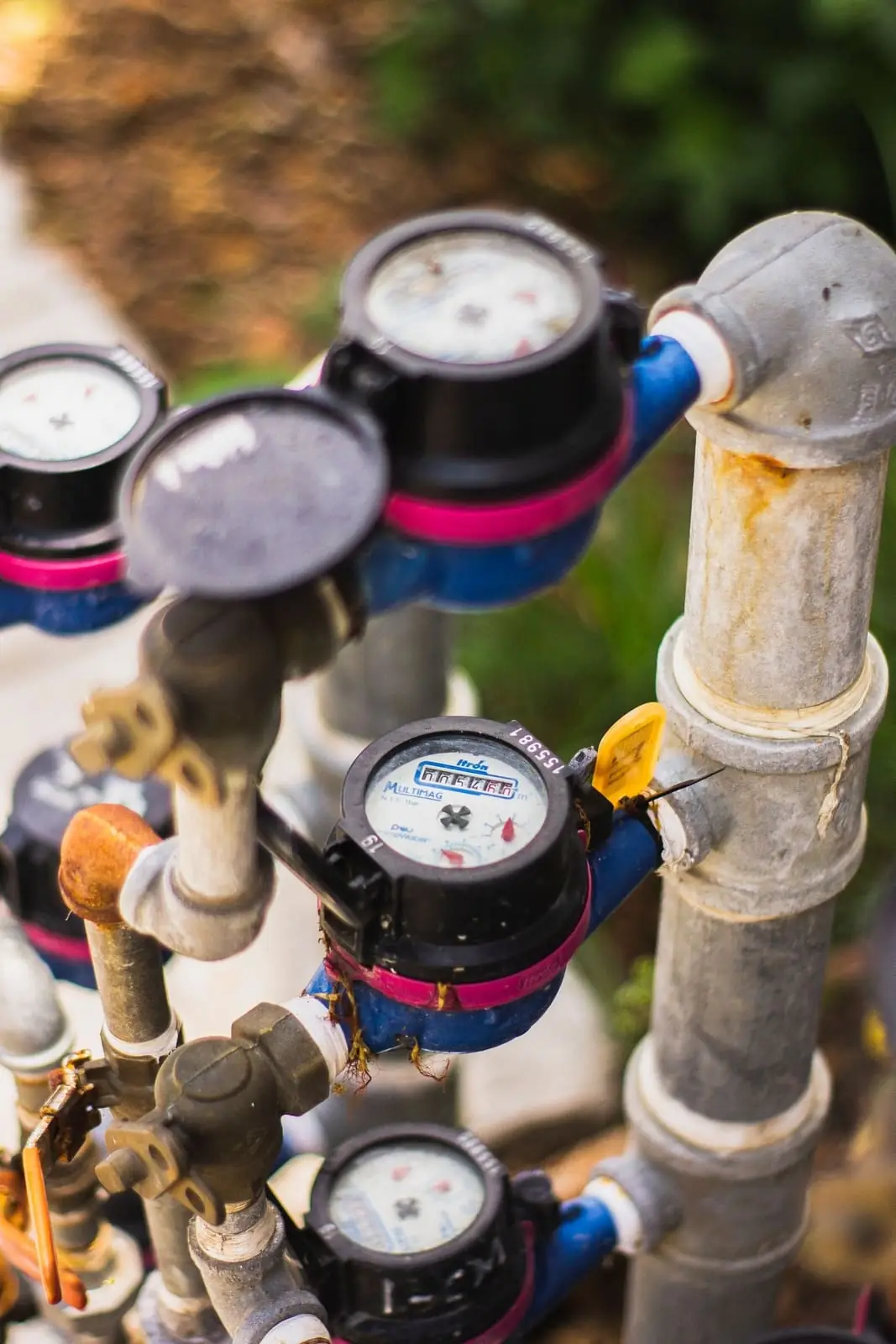
- Look at the water meter's leak indicator or note the reading, then check again after 30 minutes without using water.
- If it moved, there's a leak somewhere between the meter and the fixtures.
- Close the main shutoff and check again: if the meter still moves, the leak is on the service line between the meter and the house.
How plumbers find hidden leaks
Plumbers use acoustic listening equipment, pressure tests on isolated sections of pipe and thermal imaging to narrow a leak down before opening anything. Common hidden leak locations include slab supply lines, pipes in exterior walls or crawl spaces, toilet flappers and the buried service line. See signs of a slab leak.
Charlotte Water leak adjustments
Will Charlotte Water credit my bill for a leak?
For leaks on the private side, beyond the meter outlet, Charlotte Water's leak policy offers a partial credit on excess water, with limits on how many adjustments you can get in a year. You'll need a plumber's statement or receipt showing the leak was fixed. Leaks at the meter itself are the utility's responsibility. Check the current terms with Charlotte Water at 311 or 704-336-7600.
Hiring a plumber for this job: leak detection in Charlotte
SteadWell is a free referral service, not a plumbing company. We connect you with an independent, licensed plumber who serves Charlotte; that plumber prices the job and stands behind the work.
- Confirm the North Carolina license with the State Board of Examiners of Plumbing, Heating and Fire Sprinkler Contractors.
- Ask how the leak will be located before any wall or floor is opened.
- Keep the plumber's repair receipt for a Charlotte Water leak adjustment.