Most Charlotte water heater replacements happen in a hurry, after a tank starts leaking. The decisions are easier, and usually cheaper, if you make them before that: whether to stay with gas or electric, whether a standard tank, tankless or heat pump model fits the house, and what code-required parts the new installation will need.
This page covers each of those, with national installed-cost ranges, the Mecklenburg County permit, the North Carolina code requirements that most often add to the price, and the questions that keep a quote honest. If your current heater is fixable, start with water heater repair in Charlotte.
When it's time to replace, not repair
Our guide on when to replace a water heater walks through the decision in more detail.
- Water leaking from the tank body. A corroded inner tank can't be repaired.
- Rusty hot water that comes from the tank rather than old pipes.
- A heater around 10 years old or more that needs an expensive part, such as a gas control valve.
- Repeated repairs in a short span, or a household that has outgrown the tank and regularly runs out of hot water.
Choosing the replacement: tank, tankless or heat pump
Federal rules are moving electric tanks in this direction. Under the Department of Energy's 2024 final rule, most electric storage water heaters over 35 gallons manufactured on or after May 6, 2029 will need heat pump technology. That doesn't affect heaters installed before then, but it's worth knowing if you're planning ahead. Duke Energy has offered rebates on qualifying heat pump water heaters; check Duke's current offers before buying, since amounts and rules change.
Should I replace my water heater with the same type?
A like-for-like swap is usually the cheapest and fastest option, because the gas line, venting or electrical circuit is already in place. Switching fuel or technology can be worth it, but it adds work: a new gas line or vent for gas, or a new circuit for some electric models.
Is a tankless water heater worth it in Charlotte?
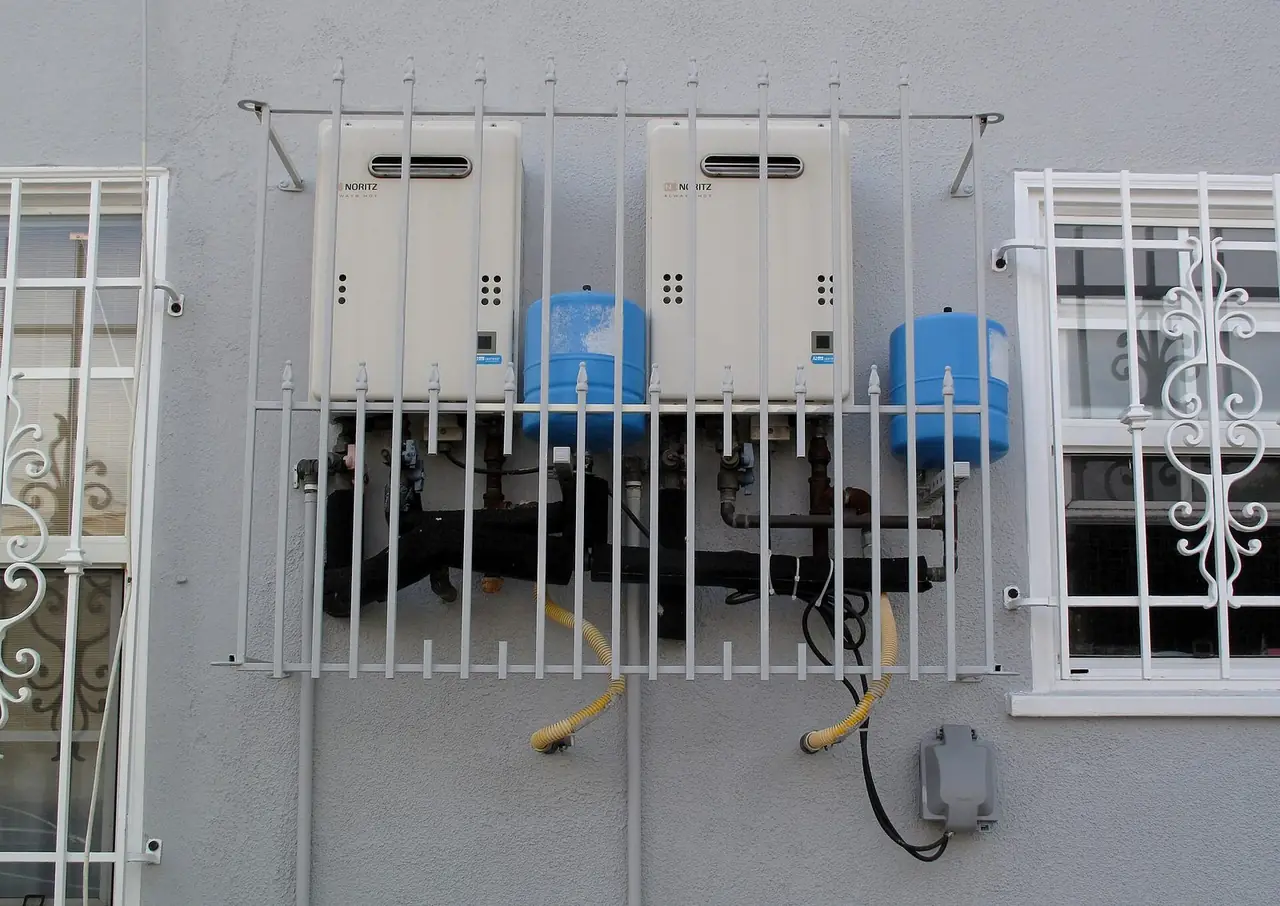
Tankless units save space and don't run out of hot water, but they cost more to install and must be sized for winter, when incoming water is colder. They make the most sense when a gas line and venting route are available and the household uses hot water at several fixtures at once. See tankless water heaters in Charlotte.
What is a heat pump water heater?
A heat pump, or hybrid, water heater is an electric tank that moves heat from the surrounding air into the water instead of making heat with elements alone. It uses much less electricity than a standard electric tank but needs room around it, a drain for condensate, and a space that doesn't get very cold. Garages and large utility rooms often work.
What does water heater replacement cost?
National cost guides put a standard tank replacement, installed, at roughly $1,200 to $2,500 for a like-for-like swap. Fixr lists an average of about $1,900 for a gas tank replacement, with most projects between $1,000 and $2,700. Tankless and heat pump installations typically run higher, often $2,000 to $4,500 or more, especially when the gas line, venting or electrical service has to change.
These are national estimates, not quotes from any Charlotte plumber. For Charlotte-specific numbers and what drives them, see our water heater replacement cost guide for Charlotte.
- Fuel type and any change of fuel.
- Tank size, and tank vs. tankless vs. heat pump.
- Location: attic and tight closet installs take longer than an open garage.
- Code updates the old installation lacked, such as an expansion tank, a drain pan or relief-valve piping.
- Permit, haul-away of the old tank, and after-hours timing.
Permits and code requirements in Charlotte
The relief-valve discharge also has to be piped so it can't cause damage, and an expansion tank in an unconditioned space that can freeze needs insulation. Many older Charlotte installations predate these rules, which is why a replacement can include parts the old heater never had.
Do I need a permit to replace a water heater in Charlotte?
Yes. Mecklenburg County Code Enforcement lists water heater replacement among residential projects that need a permit, and the new installation is inspected. Licensed plumbers normally pull the permit. Ask for the permit number on your invoice.
Why does my new water heater need an expansion tank?
North Carolina's plumbing code, as interpreted by the Office of State Fire Marshal, requires an expansion device when a storage water heater is installed or replaced on a supply line with a check valve, pressure-reducing valve or backflow preventer. Without one, heated water has nowhere to expand and pressure builds until the relief valve opens.
Questions to ask before you approve a quote
- Does the price include the permit, haul-away of the old heater, and every code-required part?
- What size and model are you installing, and why that size for my household?
- Is the warranty on the tank, the parts, the labor, or all three, and for how long?
- If the heater is in the attic or upstairs, does the price include a new drain pan and drain line?
- If you're switching to tankless or heat pump, what changes to the gas line, venting or electrical are included?
What installation day looks like
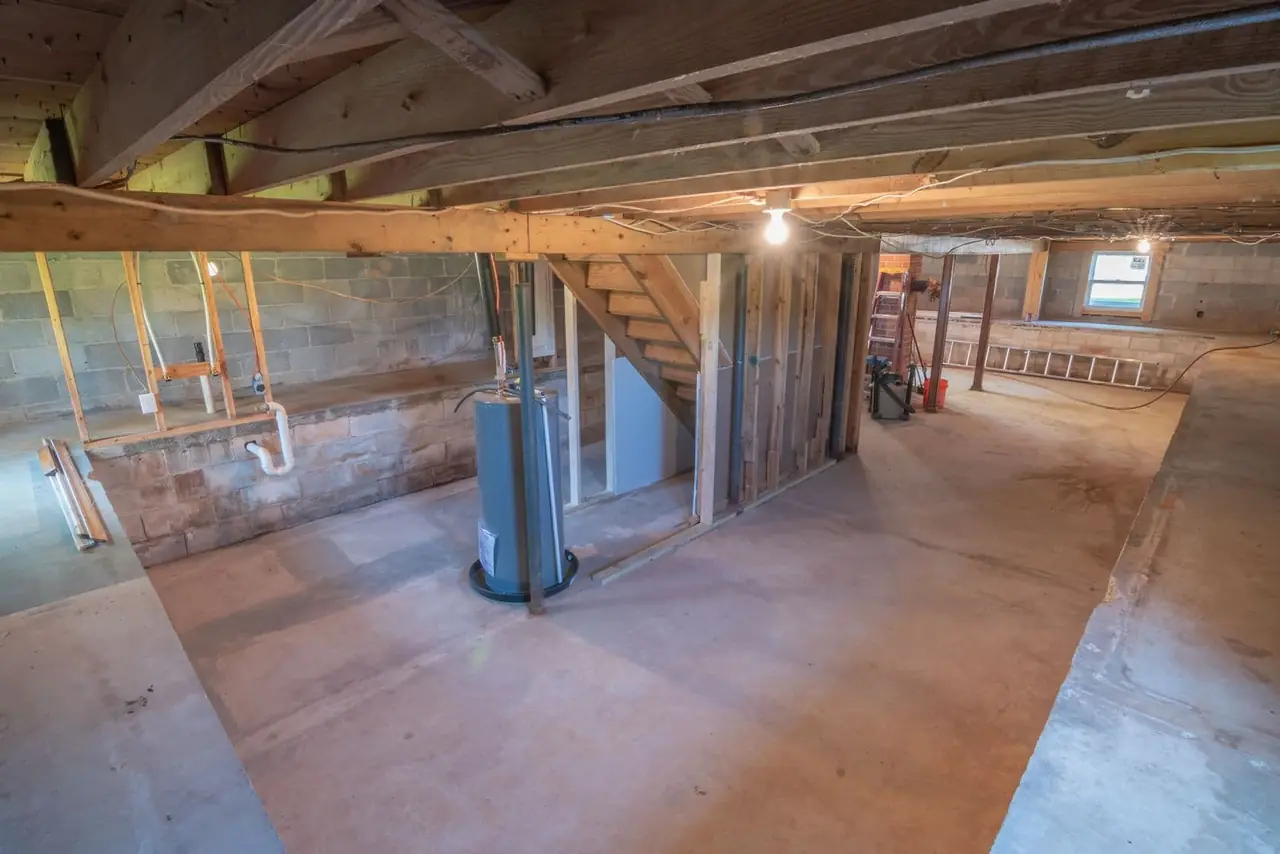
A typical tank replacement takes a few hours. The plumber shuts off the water and the gas or power, drains and removes the old tank, sets the new one, connects the water lines, gas or electrical, venting and relief-valve discharge, adds any code-required parts, then fills the tank and checks for leaks before turning the heat source back on. The county inspection is usually scheduled separately.
SteadWell is a free referral service, not a plumbing company. We connect you with an independent, licensed plumber who installs water heaters in Charlotte. That plumber prices the job, provides the warranty and pulls the permit, so ask them the questions above.