
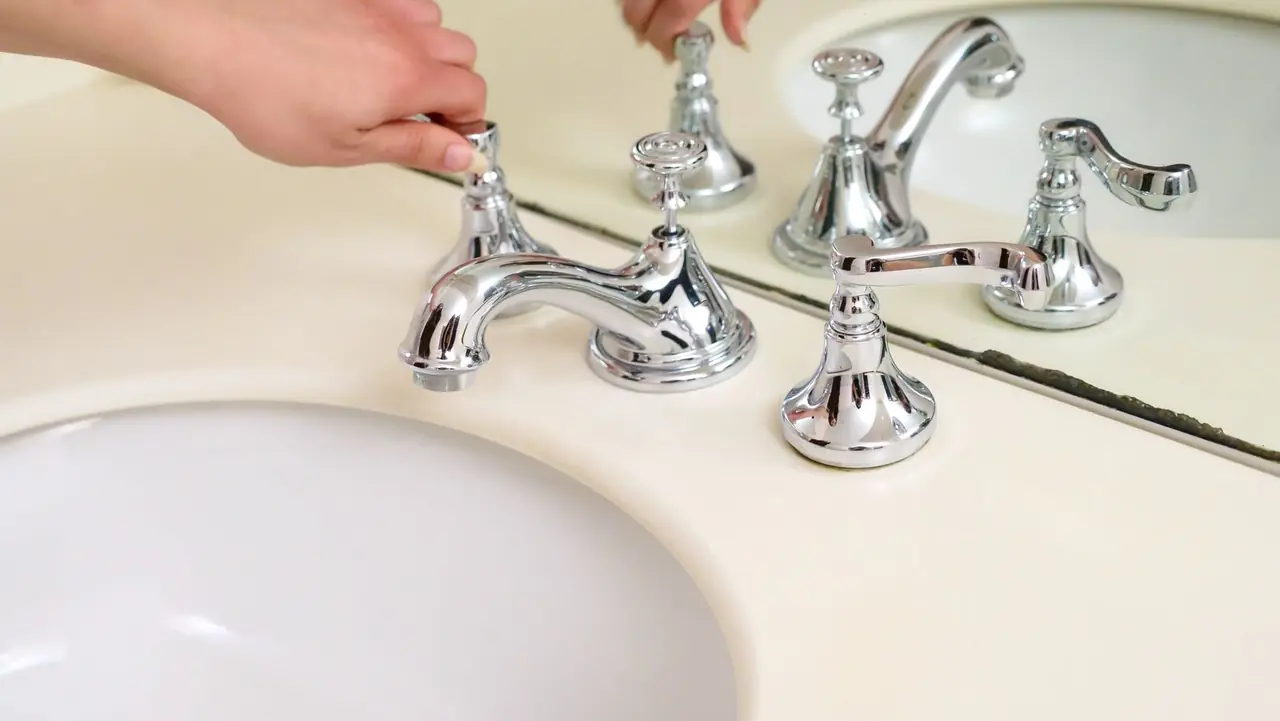
Kitchen and bathroom sink installation
Installing a sink involves mounting it to the counter or vanity, connecting the faucet, drain, trap and, in kitchens, the disposal and dishwasher drain. Drain height and trap alignment matter most when the new sink is deeper or shaped differently from the old one.
A drop-in sink sits on top of the counter; an undermount sink hangs below it and usually goes in with the countertop. Replacing an undermount sink alone can mean working with the countertop installer.
Deeper kitchen sinks can put the drain outlet below the wall drain, which needs the trap reworked rather than forced.
Signs you need sink installation
- Cracked or chipped sink
- Remodel or new countertop
- Leaking sink rim or drain
- Wanting a deeper or larger basin
How sink installation is done
- 1
Plan
Check counter cutout, drain height and connections.
- 2
Install
Mount the sink, connect faucet, drain, trap, disposal and dishwasher drain.
- 3
Test
Fill and drain both basins and check every connection.
What affects the cost of sink installation
- Drop-in vs. undermount
- Counter work
- Drain or trap rework
- Disposal and dishwasher reconnection
Ask for the trip fee and the total price before work starts.
Need sink installation? Call now
SteadWell is a free referral service, not a plumbing company. Calling (833) 753-0180 connects you with an independent, licensed plumber who serves your ZIP code; the plumber quotes and performs the work. Calls may be recorded.
Sink installation: common questions
Can I replace an undermount sink without replacing the countertop?
Sometimes, but it usually involves the countertop fabricator, since the sink is bonded beneath the stone.
Why won't my new deep sink drain properly?
The outlet may sit too low for the wall drain, leaving a trap that can't slope correctly. The drain needs rework.
Do I need a plumber to change a sink?
Not always for a simple drop-in swap, but drain changes, disposals and undermount sinks are easier with one.