
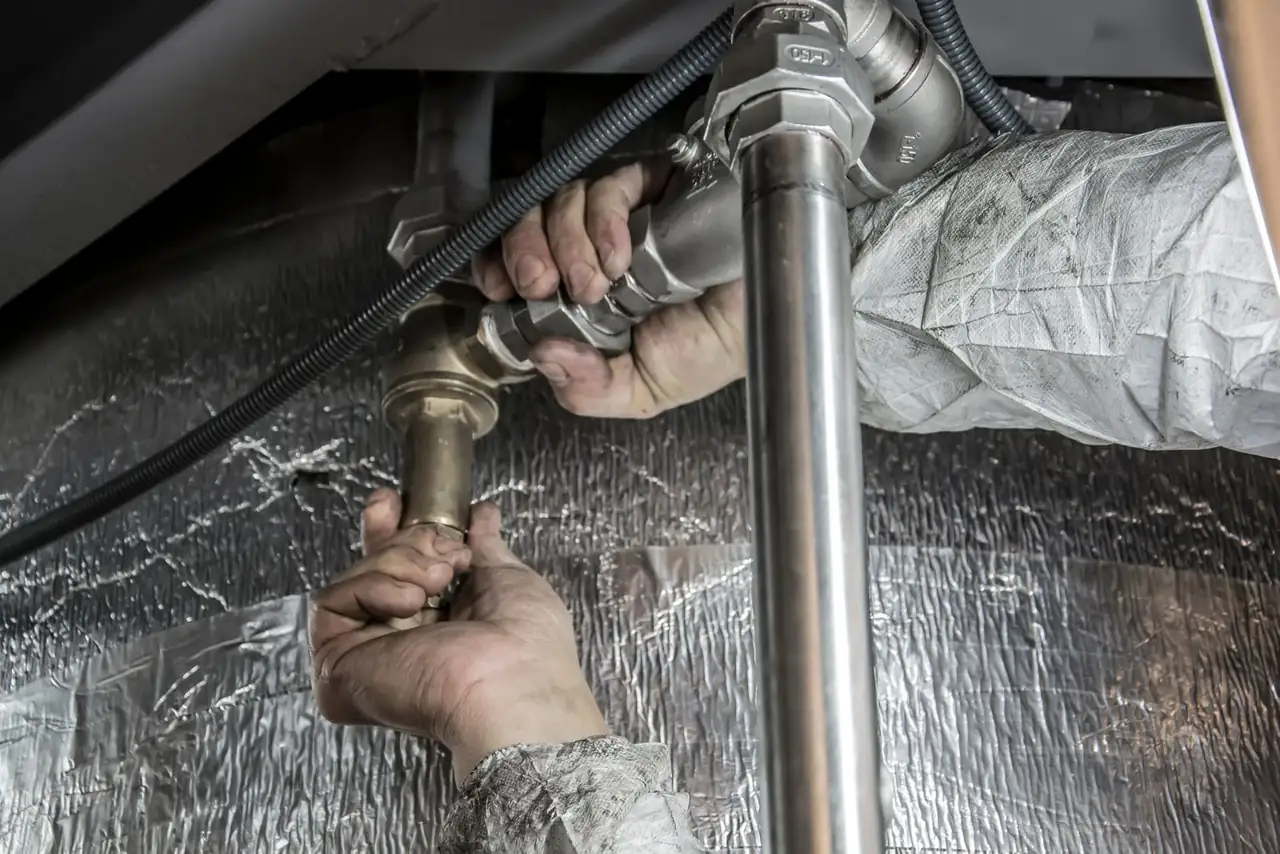
PEX repiping
PEX repiping replaces a home's water supply lines with flexible cross-linked polyethylene tubing. Because it bends around framing and needs fewer fittings, it's usually faster and less invasive than copper, and it doesn't corrode.
Whole-home repiping makes sense when the existing pipe is failing as a system: galvanized steel narrowing with corrosion, polybutylene failing at fittings, or copper developing repeated pinholes.
PEX is now the most common repiping material in homes. A home-run or branch layout feeds each fixture, and the old lines are abandoned in place or removed where accessible.
Signs you need pex repiping
- Low pressure throughout the house
- Rusty or discolored water
- Repeated leaks in different spots
- Polybutylene or galvanized supply pipe
How pex repiping is done
- 1
Plan the route
Map every fixture and plan the runs to minimize openings.
- 2
Permit
Repiping is permitted work with an inspection before walls close.
- 3
Install and test
Run new lines, connect fixtures, pressure-test, then patch openings.
What affects the cost of pex repiping
- Size of the house and number of fixtures
- Access (crawl space, basement, attic or slab)
- Drywall openings and patching
- Permit
Ask for the trip fee and the total price before work starts.
Need pex repiping? Call now
SteadWell is a free referral service, not a plumbing company. Calling (833) 753-0180 connects you with an independent, licensed plumber who serves your ZIP code; the plumber quotes and performs the work. Calls may be recorded.
PEX repiping: common questions
PEX or copper for repiping?
Both are durable. PEX is usually faster and cheaper to install and doesn't corrode; copper is rigid and has a long track record. Local practice and water chemistry also matter.
How long does a PEX repipe take?
Often a few days for a typical house, plus inspection and drywall patching.
Does PEX need protection from sunlight?
Yes. PEX shouldn't be left exposed to UV; it's installed inside walls, crawl spaces and attics.