
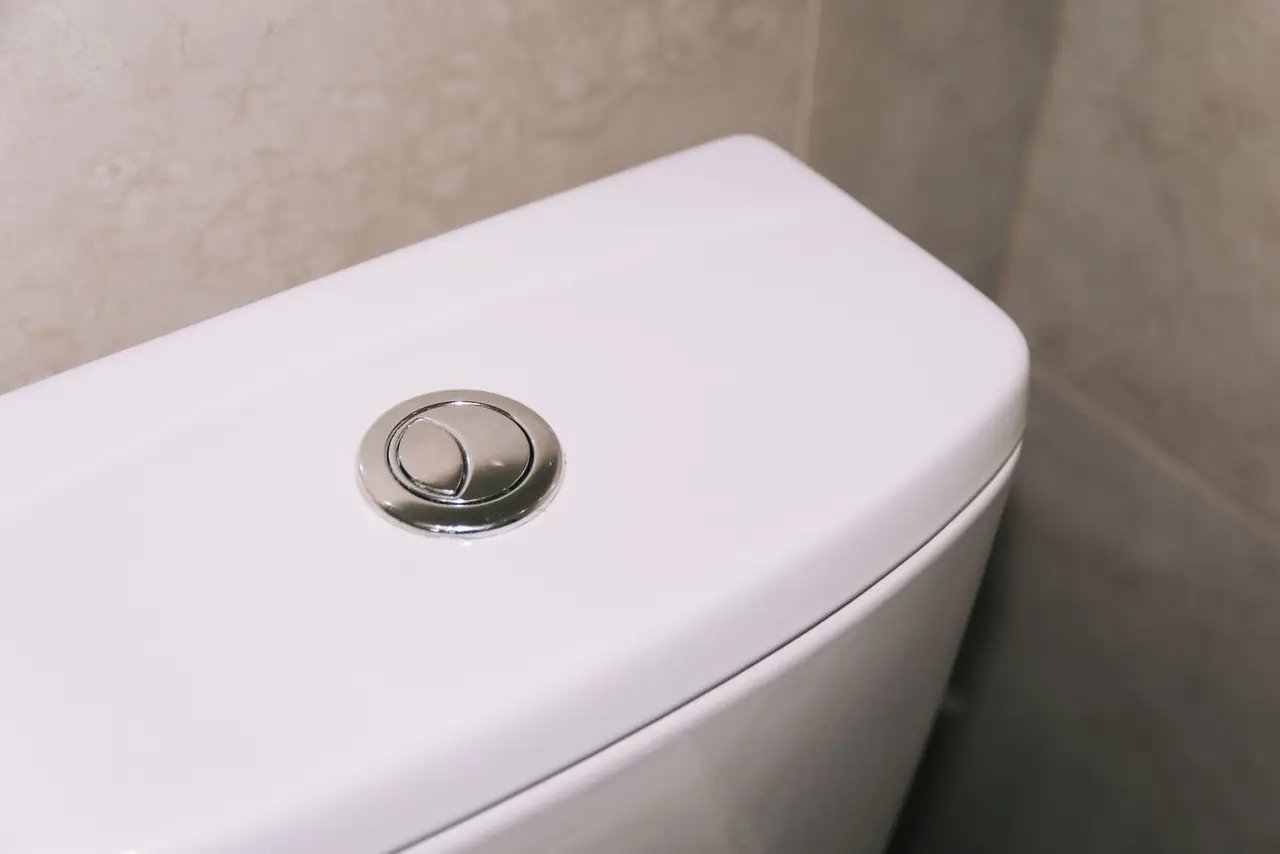
Toilet installation and replacement
Replacing a toilet means removing the old one, checking the flange and floor, setting the new toilet on a fresh wax ring or seal, connecting a new supply line and testing for leaks. The key measurement is the rough-in, the distance from the wall to the center of the drain, usually 12 inches.
Replacement makes sense when the bowl or tank is cracked, the toilet clogs constantly, parts are no longer available, or you want a more efficient model.
The visible work is quick. What takes judgment is underneath: a broken flange or a soft subfloor needs fixing before the new toilet is set.
Signs you need toilet installation
- Cracked tank or bowl
- Frequent clogs with an older low-flow model
- Rocking that returns after the bolts are tightened
- Constant repairs
How toilet installation is done
- 1
Measure and choose
Confirm the rough-in and choose height and bowl shape.
- 2
Remove and inspect
Remove the old toilet and check the flange and subfloor.
- 3
Set and test
Set the new toilet, connect the supply and test for leaks.
What affects the cost of toilet installation
- Toilet model
- Flange or subfloor repair
- Haul-away of the old toilet
- Moving the drain (much larger job)
Ask for the trip fee and the total price before work starts.
Need toilet installation? Call now
SteadWell is a free referral service, not a plumbing company. Calling (833) 753-0180 connects you with an independent, licensed plumber who serves your ZIP code; the plumber quotes and performs the work. Calls may be recorded.
Toilet installation: common questions
What is a toilet rough-in?
The distance from the finished wall to the center of the drain, most often 12 inches. The new toilet has to match.
Should I replace the supply line?
Yes. A new braided stainless supply line is inexpensive insurance against a burst.
Repair or replace a toilet?
Most running or leaking toilets are repaired with inexpensive parts. Cracks, chronic clogs or a very old model favor replacement.