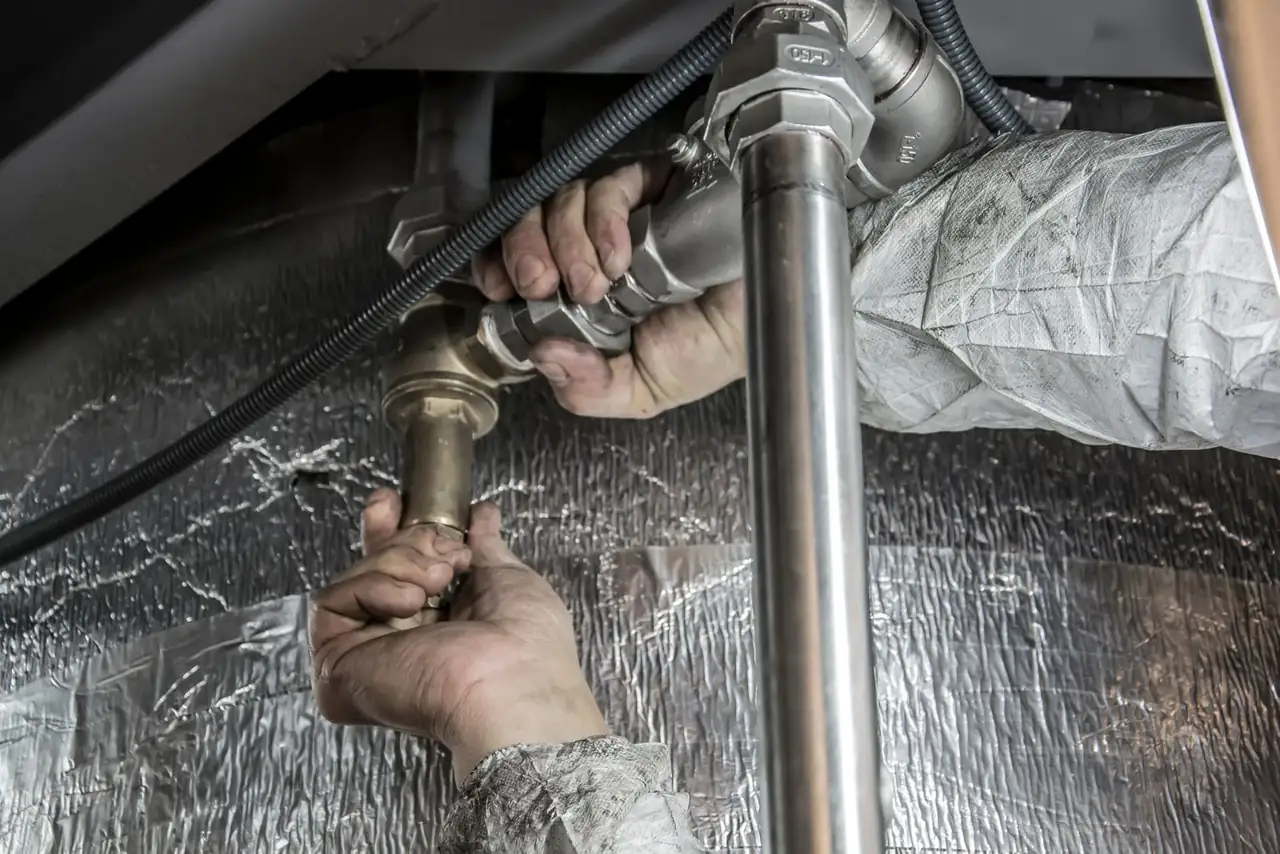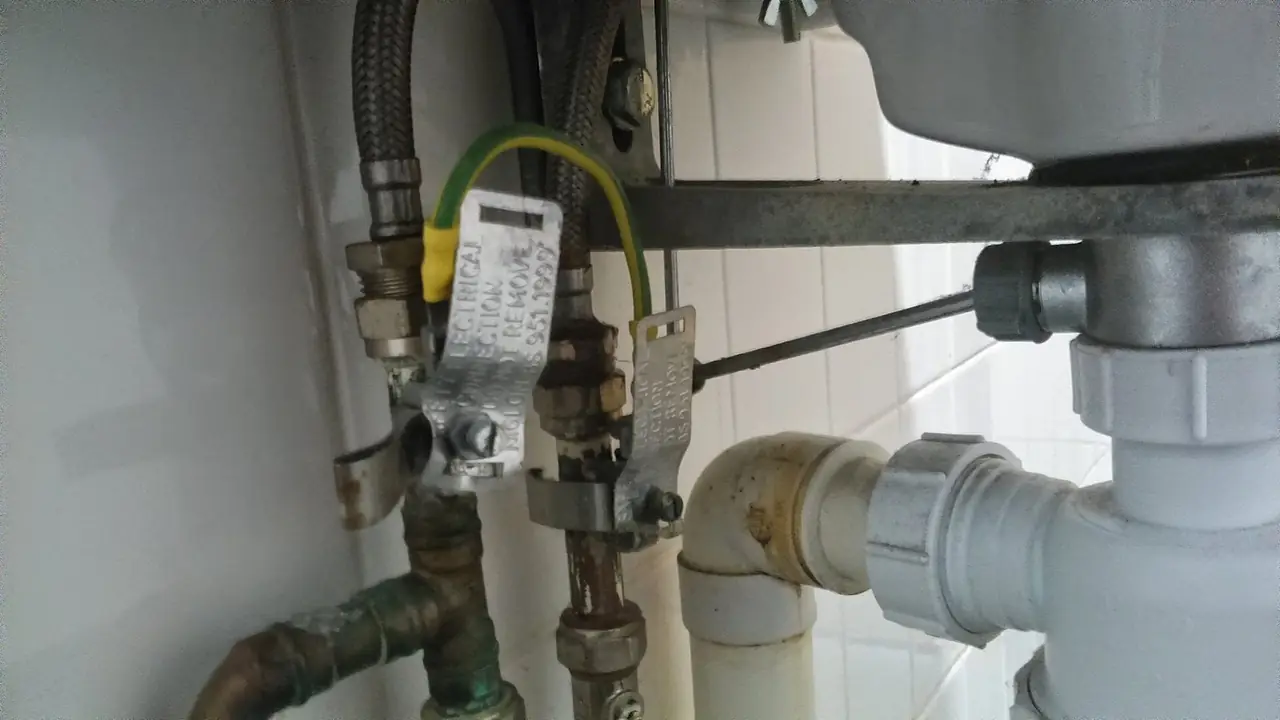
A shutoff valve only matters in an emergency, which is the worst time to find out it doesn't work. Older gate-style main valves often seize or won't close fully, and fixture valves under sinks and behind toilets can leak when turned after years untouched.
Test your valves now
- Find the main shutoff, usually where the water line enters the crawl space, basement or garage.
- Turn it fully closed, then open a faucet to confirm the water stops.
- Turn it back on slowly.
- If it won't turn, won't close or leaks at the stem, plan a replacement.
Gate valves vs. ball valves
Why replace a gate valve with a ball valve?
Gate valves use a wedge that can corrode and stick, and they take many turns to close. A quarter-turn ball valve closes with one quarter turn and is much less likely to seize. About 27% of Charlotte homes were built before 1980, when gate valves were common.
How replacement works
Replacing the main shutoff means turning off water at the meter, which Charlotte Water owns; a plumber can do this with a meter key. See how to find your main water shutoff.
Hiring a plumber for this job: shutoff valve replacement in Charlotte
SteadWell is a free referral service, not a plumbing company. We connect you with an independent, licensed plumber who serves Charlotte; that plumber prices the job and stands behind the work.
- Confirm the North Carolina license with the State Board of Examiners of Plumbing, Heating and Fire Sprinkler Contractors.
- Ask whether the price includes shutting off at the meter.
- Ask for a quarter-turn ball valve.